
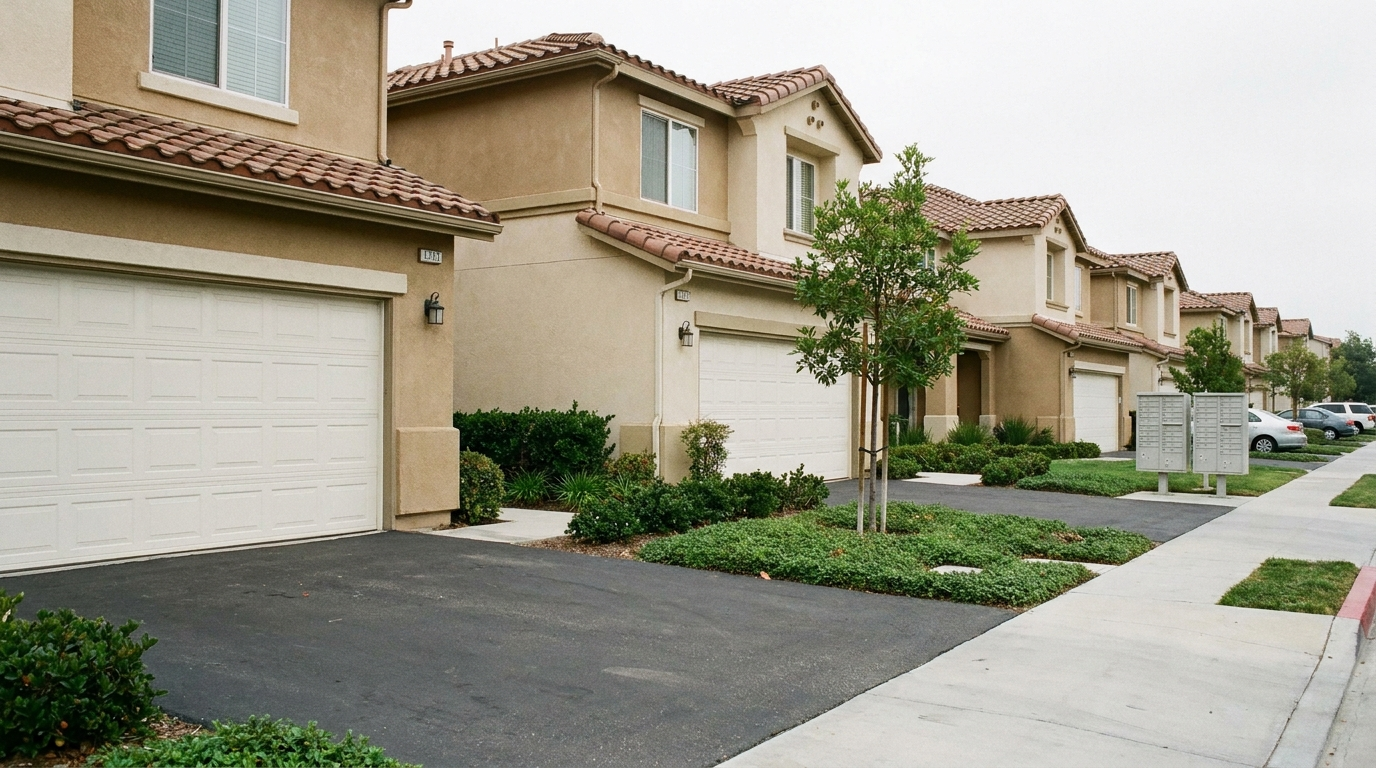
Most homeowners don't realize how aggressively California HOAs can pursue unpaid dues. The state allows an HOA to record a lien against your property for as little as $1,800 in unpaid dues (or 12 months of past-due charges, whichever comes first). Beyond that threshold, the HOA can initiate foreclosure — yes, even if you're current on your mortgage.
If you're behind on HOA fees, facing an HOA lien, dealing with a special assessment you can't pay, or already received a foreclosure notice from your HOA, you have options. (And if you're also behind on the mortgage itself and owe more than the home is worth, a short sale may come into play — though most Bay Area owners with equity have faster, better exits.) Here's the honest 2026 guide for Bay Area condo, townhome, and HOA-community sellers.
How HOA Liens Work in California (The Important Background)
Under California Civil Code §5675, an HOA can record a lien against your property for unpaid assessments, late fees, interest, attorney's fees, and collection costs. The process generally goes:
- You miss a payment. HOA sends notice.
- HOA records a lien with the county recorder, typically after the 12-month-or-$1,800 threshold is met. The lien attaches to your property and shows up in title searches.
- Pre-foreclosure notices. California requires the HOA to send specific notices (Civil Code §5660 mailing, §5673 in-person delivery) before they can foreclose.
- HOA foreclosure. The HOA can foreclose either non-judicially (faster, ~120 days from start) or judicially (slower, requires lawsuit).
- Sale. Your home is sold at auction to satisfy the HOA debt. Anything beyond what's owed goes to junior lienholders (your mortgage), then to you.
Note: HOA foreclosures are separate from mortgage foreclosures. You can be current on your mortgage and still lose your home to an HOA foreclosure.
Why HOA Liens Block Traditional Sales
If a title search shows an active HOA lien, the closing process gets complicated:
- Lender won't fund. Buyer's mortgage lender will not close until the HOA lien is paid and released.
- Title insurance complications. Title companies require lien clearance before issuing policies.
- Buyer financing pulls. The buyer's lender may withdraw if the lien isn't promptly resolved.
- HOA may dual-track. Some HOAs continue foreclosure proceedings even while you're trying to sell traditionally. The auction clock can outrun your listing timeline.
- Special assessments compound. Many properties have not just past-due regular dues but also special assessments for capital improvements (roof replacement, seismic retrofit) that can be $5,000-$50,000+.
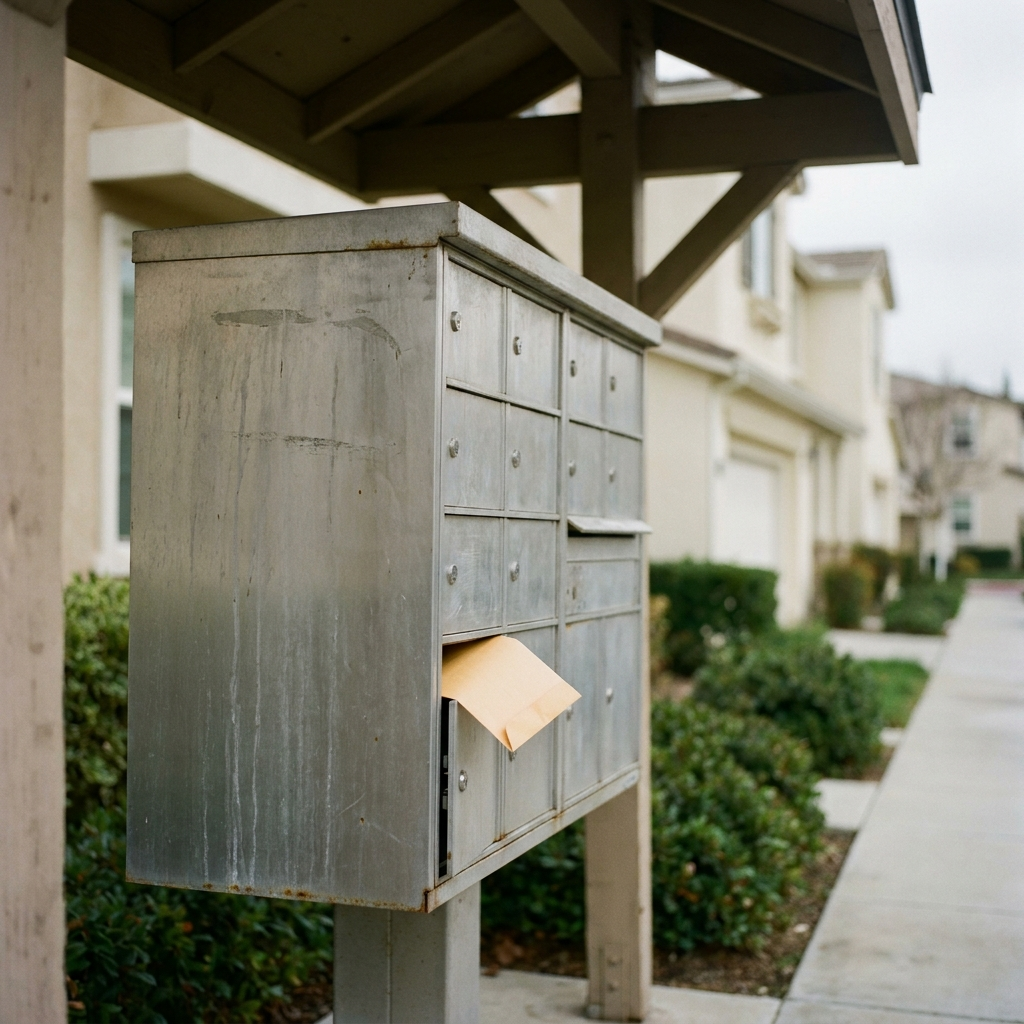
How Much Can You Owe? Real Bay Area Numbers
HOA debt accumulates faster than most people realize. A typical Bay Area HOA situation might look like:
- Past-due monthly dues (12 months × $450/mo): $5,400
- Late fees ($25-$50/mo × 12): $300-$600
- Interest (12% annual on past-due balance): ~$650
- HOA attorney's fees (lien preparation): $750-$2,500
- Lien recording + collection costs: $200-$500
- Special assessment unpaid (if applicable): $5,000-$50,000
- Total typical lien amount: $7,300-$60,000+
HOA debts grow fast because attorney's fees and interest accumulate every month. The longer you wait, the bigger the lien.
Your 4 Options if You Have a Past-Due HOA Lien
Option 1 — Pay the Lien in Full
If you can access cash (savings, family help, 401(k) loan), paying off the lien removes the obstacle. Request a written "Estoppel Letter" from the HOA showing the exact payoff amount (good for ~30 days). Pay through escrow or directly with proof of payment, then request a lien release.
Best for: homeowners with cash access and otherwise healthy financial picture.
Option 2 — Negotiate a Payment Plan with the HOA
California Civil Code §5665 requires HOAs to offer a payment plan option before foreclosure. You can typically arrange installment payments of the past-due amount while continuing current monthly dues. Some HOAs will waive late fees and partial attorney's fees as part of a negotiated settlement.
Best for: homeowners who fell behind temporarily but have stable income now. Won't help if you can't afford the ongoing monthly dues.
Option 3 — List Traditionally and Pay the Lien at Closing
If you have equity, the HOA lien can be paid from sale proceeds at closing. Title officer collects the HOA payoff demand, deducts it from your net, and the lien releases when funds clear. Process: 60-120+ days typical.
Risk: HOA may proceed with foreclosure during your listing period. If the foreclosure auction happens before your sale closes, you lose the property.
Best for: homeowners with strong equity, no urgent HOA foreclosure timeline, and time to list traditionally.
Option 4 — Sell to a Cash Buyer Who Resolves the Lien at Closing
This is what most HOA lien sellers ultimately do, especially when foreclosure is imminent. An experienced cash buyer like Eugene Bay Area Home Buyers:
- Closes in 10-14 days, well before any HOA foreclosure auction
- Pays the HOA lien in full at closing from sale proceeds
- Coordinates directly with the HOA management company and their attorneys
- Handles any open special assessments in the same transaction
- Buys as-is regardless of condition (HOA-distressed properties often have deferred maintenance)
- You walk away with whatever equity remains after the lien + mortgage + closing costs
Special Case: HOA Foreclosure Already Started
If you've received a Notice of Default from your HOA, the foreclosure clock is running. California's non-judicial HOA foreclosure process:
- Day 0: Notice of Default recorded
- Day 90: Earliest the Notice of Trustee's Sale can be recorded
- Day 111+: Auction can be held (21 days after Notice of Trustee's Sale)
You have the right to redeem (pay everything owed plus costs) up to 5 business days before the auction. After the auction, in non-judicial HOA foreclosures, you typically have a 90-day right of redemption to buy back the property by paying the auction price plus fees.
A cash sale before the auction is usually faster and lets you keep equity. After the auction, your options narrow significantly.
Special Case: Massive Special Assessment You Can't Pay
Common Bay Area situation: an HOA passes a special assessment for major capital work — seismic retrofit, roof replacement, plumbing system upgrade, deck/balcony repairs (especially after the 2024 California balcony inspection law). Special assessments can range from $5,000 to $80,000+ per unit. For owners on fixed incomes or with limited savings, these are unaffordable.
If you can't pay the assessment, the HOA records a lien — and the cycle starts. Selling becomes the most realistic exit. A cash buyer absorbs the special assessment as part of the purchase calculation.
Real Bay Area Math: Selling with an HOA Lien
Let's run a realistic scenario. A 2-bedroom condo in Foster City. Current condition: livable. Owner is 14 months behind on HOA dues + has a special assessment for balcony repairs:
Path A: List Traditionally with Lien Disclosed
- Market value (good condition): $720,000
- Mortgage balance: -$390,000
- HOA past-due dues + fees + attorney costs: -$9,400
- HOA special assessment unpaid: -$22,000
- Agent commissions (5%): -$36,000
- Closing costs (2%): -$14,400
- Holding costs during 3-month listing: -$8,500 (mortgage + HOA dues + utilities)
- Net to you (if sale closes before HOA foreclosure): ~$239,700
- Timeline: 3-5 months
- Risk: if HOA forecloses during listing period, property is lost
Path B: Sell As-Is to Eugene Bay Area Home Buyers
- Cash offer (as-is, lien-aware): $635,000
- Mortgage payoff: -$390,000
- HOA lien payoff: -$9,400
- Special assessment payoff: -$22,000
- Commissions: $0
- Closing costs: $0 (we cover them)
- Holding costs: $0
- Net to you: ~$213,600
- Timeline: 14 days
Traditional path nets ~$26,000 more on paper — but only if the HOA doesn't foreclose during the 3-5 month listing period, and if no surprises emerge during inspection. Many Bay Area HOA sellers choose the certainty of $213K in 2 weeks over the gamble of $239K in 5 months.
The Cash Sale Process for an HOA-Lien Property
- Initial call (15 min): Tell us the address, the HOA situation (past-due amount, special assessments, any foreclosure notices received), and your timeline.
- Property visit (30 min): Brief walkthrough so we can assess condition.
- Written cash offer within 24 hours: Includes the math showing exactly what you'll net after HOA lien, mortgage, and other payoffs.
- You decide: Accept, counter, or walk away.
- Escrow opens: Title officer requests payoff statements from HOA, HOA's attorney, the special assessment holder, and your mortgage servicer.
- HOA approval (if required): Some HOA CC&Rs require board approval of buyers in resale situations. Title officer coordinates.
- Closing (10-14 days from acceptance): Wire funds flow: buyer → escrow → HOA lien → mortgage → closing costs → you.
What If You're Underwater?
If your mortgage + HOA lien + closing costs exceed the sale price, you're underwater. Options:
- Short sale — both your mortgage lender AND the HOA may need to approve accepting less than full payoff. Takes 60-120+ days.
- Negotiate HOA reduction — sometimes HOAs will accept a settlement less than full balance if the alternative is foreclosure (where they may recover less).
- Deed in lieu — surrender the property in exchange for cancellation of the debt. Rare, and it hands over any equity with the keys; the full trade-off is in our guide to a deed in lieu of foreclosure in California.
- Walk away (last resort) — let the HOA foreclose. You lose equity but escape the debt obligation.
Common Bay Area HOA Situations We Handle
- Condo communities in Foster City, San Mateo, Burlingame, Daly City, South San Francisco
- Townhome HOAs in Concord, Walnut Creek, Pleasanton, Dublin, San Ramon
- Common interest developments in San Jose, Cupertino, Mountain View, Sunnyvale
- SF condos with high monthly dues + special assessments for seismic/structural work
- Resort-style HOAs in Marin and the East Bay with deferred maintenance reserves
Each HOA has its own CC&Rs, fee structure, and management approach. We've worked with hundreds of them.
Frequently Asked Questions
Can the HOA really foreclose for $1,800?
Yes. California Civil Code §5720 allows HOA foreclosure once delinquency exceeds $1,800 OR 12 months of past-due charges, whichever happens first. The HOA must follow notice procedures, but the legal threshold is genuinely low.
How is an HOA lien different from a mortgage lien?
Both are recorded against the property. Mortgage liens are typically larger but HOA liens often have priority over some second-position mortgages or HELOCs. Order of payment at closing: property tax → HOA → first mortgage → second mortgage → closing costs → seller.
Will the HOA work with me on a payment plan?
California Civil Code §5665 requires HOAs to offer payment plans before foreclosure. Some are more flexible than others. If you're hoping for a payment plan but the HOA is rigid, a cash sale resolves it permanently.
What happens to the special assessment if I sell?
Paid at closing from sale proceeds, just like the regular lien. Some special assessments may have a different priority depending on how they were recorded.
Can a new buyer inherit my HOA debt?
Some California HOA documents include "successor liability" — meaning the new buyer takes on certain past-due dues. Most title insurance policies protect against this by requiring full lien clearance at closing. A cash buyer handles this through the title officer.
What if my HOA is in financial trouble itself?
Some Bay Area HOAs have underfunded reserves, pending litigation, or insolvency concerns. These properties can be harder to sell traditionally (lenders may decline financing on HOAs with bad financial reports). Cash buyers don't require HOA financial review — we close anyway.
I just received an HOA foreclosure notice. What's my fastest option?
If the auction is more than 30 days away, a cash sale (10-14 days) saves the property and your equity. If the auction is less than 30 days, call immediately — sometimes the HOA will postpone if a written cash sale contract is in place.
Will my credit be hit if the HOA forecloses?
Yes. HOA foreclosures report to credit bureaus and damage your credit similarly to mortgage foreclosures. Selling before the foreclosure protects your credit.
What if I disagree with the HOA charges?
You can dispute charges through the HOA's internal dispute resolution process. But disputing doesn't pause the foreclosure clock unless you obtain a court order. If you're disputing AND in foreclosure, talk to an attorney — and consider selling in parallel to preserve options.
Does selling to a cash buyer require HOA approval?
Sometimes. Some Bay Area HOAs require board approval of buyers (Right of First Refusal clauses, age-restricted communities, etc.). Title officer coordinates with the HOA. Most cash sales close without issues but the timing depends on the HOA's response speed.
What if the HOA lien created a cloud on title?
HOA liens that have been recorded for years can become part of a broader title problem — sometimes with attached attorney fees, lien-priority disputes, or recording errors. We handle these as part of the title cleanup at closing.
Get a Free, No-Obligation Cash Offer on Your HOA-Lien Property
HOA debt grows every month. Attorney's fees compound. Foreclosure timelines are real. The sooner you understand your numbers, the more options you preserve.
Call Eugene Bay Area Home Buyers at (408) 717-4505 for a free, confidential consultation. We'll listen, review the HOA situation, and present a written cash offer within 24 hours that shows exactly what your net will be after the HOA payoff.
If you have other liens combined with the HOA situation — IRS/state tax liens, an active mortgage foreclosure, or other complications — we handle all of them simultaneously at closing. One transaction, lien-free title transferred to us, your net proceeds wired to you. If a mortgage foreclosure auction is also approaching, see our Bay Area foreclosure cash buyer page for the time-critical path.
Want to understand the math before requesting an offer? See exactly how much cash home buyers pay — the formula, factors, and 3 Bay Area scenarios.


