
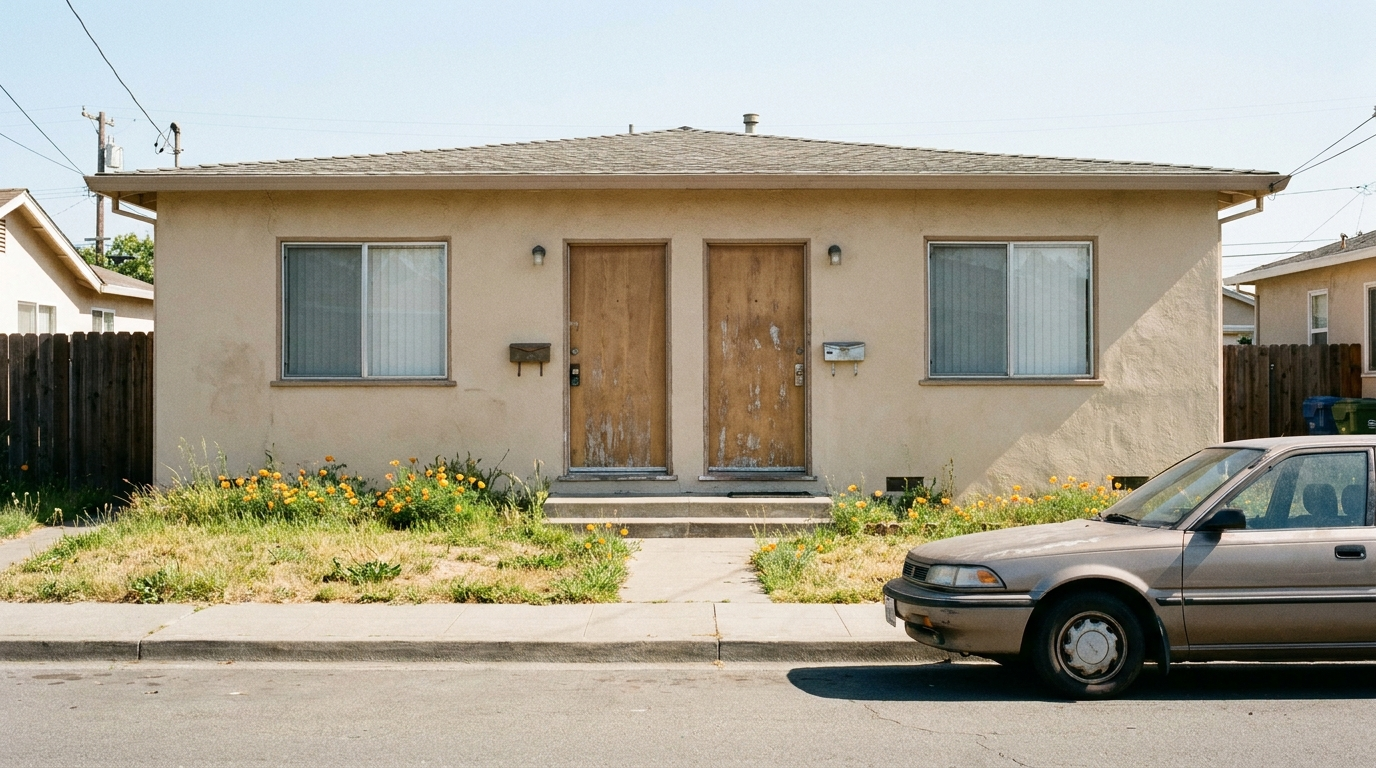
Selling a rental property in the Bay Area is complicated by some of the strongest tenant protection laws in the country. Between San Francisco's rent control ordinance, Oakland's Just Cause for Eviction rules, and California's statewide Tenant Protection Act, landlords have a maze of regulations to navigate.
Here's a practical guide to selling your Bay Area rental property — with or without tenants in place.
Understanding California Tenant Rights (AB 1482)
California's Tenant Protection Act (AB 1482) applies to most rental properties built before 2005 and provides two key protections:
- Rent caps: Annual rent increases are limited to 5% plus local CPI (maximum 10%)
- Just cause eviction: After 12 months of tenancy, landlords can only evict for specific reasons listed in the law
Local ordinances in San Francisco, Oakland, San Jose, Berkeley, and other Bay Area cities often provide even stronger protections than state law.
Your Options for Selling with Tenants
Option 1: Sell with Tenants in Place
You can sell the property with existing leases intact. The new owner inherits:
- All existing lease agreements
- Security deposits (which must be transferred to the new owner)
- All tenant rights under local and state law
- Any rent control protections that apply
Pros: No vacancy, no eviction costs, immediate rental income for the buyer.
Cons: Smaller buyer pool (owner-occupants won't be interested), potential below-market rents if tenants have been there long-term.
Option 2: Negotiate a Voluntary Move-Out
You can offer tenants a financial incentive (often called "cash for keys") to voluntarily vacate. In the Bay Area, buyout amounts typically range from $5,000 to $50,000+ per unit, depending on the city, rent control status, and how far below market the tenant's rent is. Note: if the people in your property never actually had a documented lease — they moved in without authorization, or you can't prove a rental relationship — they're not tenants under California law; they're squatters, and the legal process for removal is different (and often faster).
Key rules for buyout negotiations in the Bay Area:
- San Francisco: Requires written disclosure of tenant rights before negotiations and a 45-day cooling-off period during which the tenant can rescind the agreement
- Oakland: Buyout agreements must be filed with the city's Rent Adjustment Program
- All cities: Negotiations must be voluntary — any hint of coercion can create legal liability
Option 3: Owner Move-In Eviction (If You're Keeping the Property)
Most Bay Area just-cause ordinances allow eviction if the owner (or a close relative) intends to move into the unit. This requires:
- Good faith intent to occupy the unit for a minimum period (typically 36 months)
- Relocation payments to the displaced tenant (varies by city — up to $7,000+ per tenant in some jurisdictions)
- Proper notice (typically 60 days for tenancies over one year)
This option is not available if you're selling to a buyer who won't occupy the unit.
Why Selling to a Cash Buyer Makes Sense for Landlords
Selling an occupied rental property on the open market is challenging because:
- Showings are difficult — tenants may not cooperate, and you must provide 24-hour notice for each showing
- Occupied properties show poorly — tenant furnishings, clutter, and reluctance make bad impressions
- Many buyers want vacant properties — especially owner-occupants
- Buyer lenders may have concerns about existing lease terms
When you sell to Eugene Bay Area Home Buyers:
- We buy occupied properties. Tenants can stay — we'll handle the transition.
- No showings needed. We evaluate the property once and make an offer.
- We understand rent control. We factor existing rents and regulations into our offer — no surprises.
- Close in 10-14 days. Stop the management headaches quickly.
- No commissions or closing costs. Preserve more of your equity.
Notice Requirements When Selling
When selling a rental property in California, you must:
- Notify tenants of the sale — while not always legally required before closing, it's a best practice and may be required by local ordinances
- Transfer security deposits to the new owner — or return them to tenants, with a written statement of the transfer
- Provide tenants with the new owner's contact information within 15 days of closing
- Honor existing leases — California Civil Code §1946.2 ensures the new owner is bound by existing lease terms
Tax Considerations for Selling Rental Property
Selling a rental property has different tax implications than selling your primary residence (where the home-sale exclusion often wipes out the gain entirely):
- Depreciation recapture: You'll owe taxes on the depreciation you've claimed over the years (taxed at 25%)
- Capital gains: Long-term capital gains rates apply (0%, 15%, or 20% depending on income)
- California state tax: California taxes capital gains as ordinary income (up to 13.3%)
- 1031 Exchange: You can defer all taxes by exchanging into another investment property within 180 days — but this adds complexity and requires advance planning. Our full guide on the 1031 exchange when selling a California rental covers the deadlines and when just selling for cash beats it.
Consult with a tax professional before selling to understand your specific situation.
Tired of Being a Landlord?
If managing tenants, dealing with maintenance calls, and navigating ever-changing regulations has worn you down, selling may be the right move. Call Eugene Bay Area Home Buyers at (408) 717-4505 for a free, confidential evaluation of your rental property — whether occupied or vacant, single-family or multi-unit. We'll make you a fair cash offer with no obligations. See how much cash home buyers pay for the transparent formula.


