
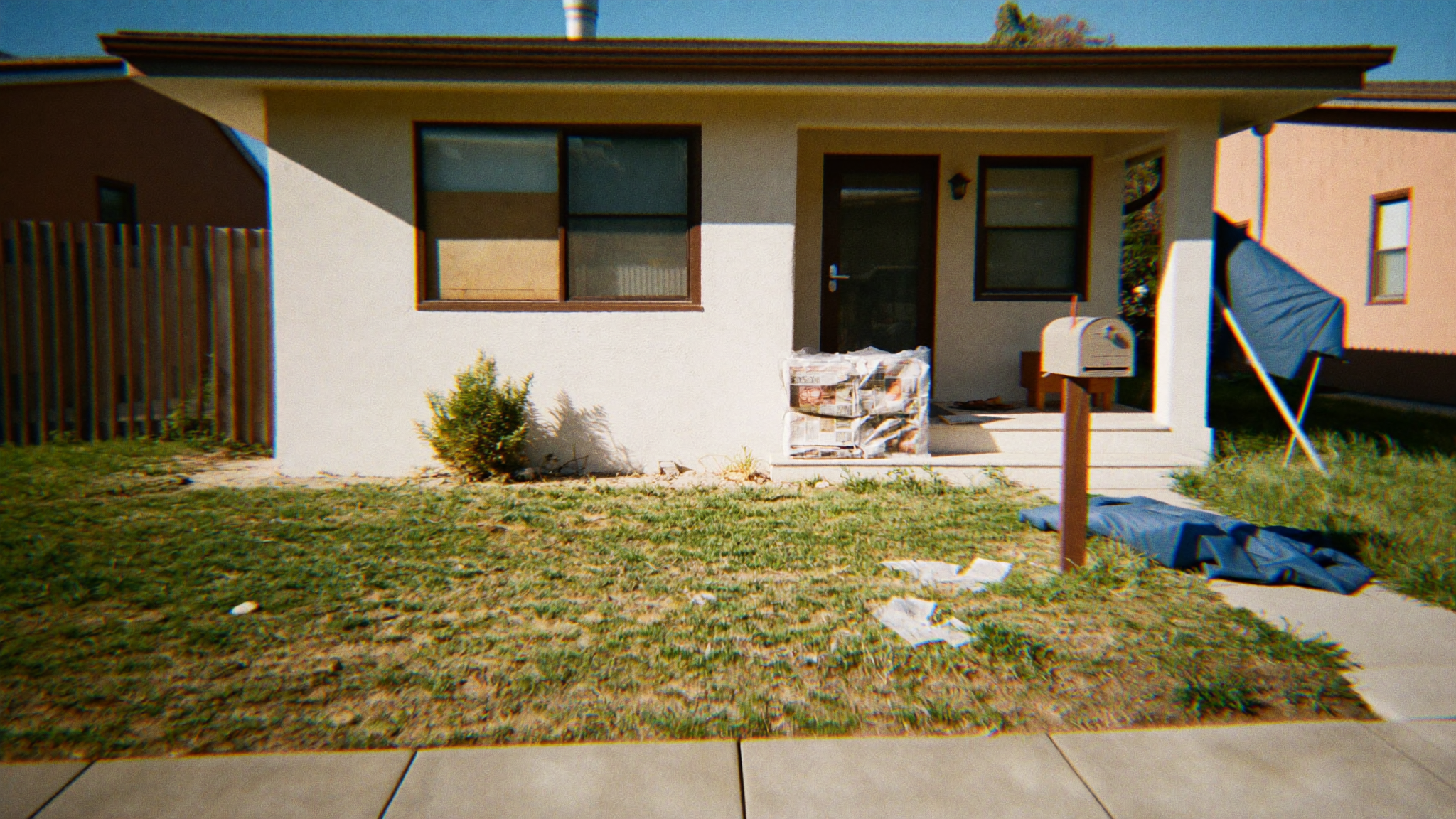
You drove past the house this morning and someone you've never seen was sitting on the porch. The locks don't turn anymore — they've been changed. Your real estate agent stopped returning calls after the listing photos came back showing a stranger's belongings inside. You're not crazy: California has one of the country's hardest squatter problems, especially in the Bay Area, and the legal system was not designed to give homeowners a quick exit.
Here's the honest 2026 guide. You can absolutely sell a California house with squatters in it — but the path you choose has dramatic consequences for how long it takes, how much it costs, and whether you ever set foot on the property again. There are four real options, and the right one depends on whether the people inside qualify as "squatters" or as "tenants" under California law.
What Counts as a Squatter in California (vs. a Tenant)?
A squatter is someone occupying a property without the owner's permission and without ever having been given permission — a true trespasser. A former tenant whose lease ended but who refuses to leave is NOT a squatter; they're a "holdover tenant," and they get full tenant rights under California law. This distinction is the single most important fact in your situation:
- True squatter (trespasser): moved in without invitation, no rental agreement, no history of payments. Owner can pursue removal via unlawful detainer faster.
- Holdover tenant: former tenant whose lease ended but who refuses to leave. Treated as a tenant — full tenant rights apply, including 30-60+ day notice requirements and in many Bay Area cities just-cause eviction protections.
- Squatter who has become a "tenant by mistake": if the occupant has been there 30+ days unchallenged, pays utilities in their name, receives mail at the address, or can produce ANY document showing acknowledged residency, a judge may treat them as a de facto tenant. This is more common than most owners realize. It adds 60-180 days to your removal timeline and several thousand dollars in attorney fees.
Common Bay Area scenarios where squatters appear:
- Vacant inherited home. (If the house is simply sitting empty and you want out before it becomes this, we buy vacant Bay Area houses as-is.) Family inherits a property, takes six months to decide what to do. Someone moves in. By the time the family checks, the new occupant is a "tenant by status" in the eyes of the court. See our guide on selling an inherited house with multiple owners for the additional legal layer when more than one heir is involved.
- Post-foreclosure vacancy. Property goes through auction, prior owner is removed, and a window of vacancy opens before the new owner takes physical possession. Squatters know this window and target it. See stop foreclosure California for the broader foreclosure timeline.
- Owner relocates and leaves the house vacant. Owner moves out of state for work, plans to sell or rent the property later, and leaves it sitting. Six months later, someone has moved in. Cross-reference our selling a vacant house in California guide for why long vacancies attract this exact problem.
- Long-distance ownership. Owner inherited the property but lives out of state, hasn't visited in a year, and doesn't realize someone moved in until a neighbor calls.
Why Traditional Sales Die When Squatters Are Involved
You cannot list a property with squatters in it through a normal MLS sale. The mechanics:
- Agents won't list. No reputable Bay Area agent will list a property they can't show. Showings require access. Access requires either an empty property or cooperative occupants. Neither exists when you have squatters.
- The buyer's lender won't fund. Underwriters require an inspection. Inspectors require access. No access means no inspection means no loan. Cash buyers are the only buyers who can move forward without lender approval — which is the same reason cash buyers are the only practical exit in this situation.
- Title insurance complications. Some title insurers add exceptions to coverage when there are unresolved possession claims, particularly if the squatter has been in place long enough that an adverse possession claim is theoretically possible. We cover the offer-math implications in how much do cash home buyers pay.
- The MLS photo problem. Even if you could somehow list, the listing photos would show strangers' belongings, often deferred maintenance from neglect, and a property that visibly cannot be staged or shown. Buyers walk before they call.
- Personal safety risk. Sellers who try to enter and "deal with it" themselves face serious risk. Squatters have shot at owners. Police often won't intervene in what they classify as a civil matter. You are not equipped to handle this in person, even if the property is technically yours.

Your 4 Real Options
Option 1 — Formal Eviction (Unlawful Detainer)
California's legal process for removing unauthorized occupants. The mechanics:
- File a 3-day Notice to Quit (for true squatters) or 30/60-day notice (if they qualify as tenants by status)
- After notice expires, file an Unlawful Detainer (UD) lawsuit in Superior Court
- Court hearing scheduled, typically 20-30 days after filing
- If you win, the sheriff posts a 5-day notice to vacate
- Sheriff physically removes occupants if they don't leave voluntarily
Realistic Bay Area timeline: 45-180 days depending on whether the squatter contests, files for stay, claims tenant status, or counter-sues. Cost: $1,500-$5,000+ in attorney fees, plus court costs, plus 4-6+ months of holding costs (mortgage, taxes, insurance, and the utilities the squatter is using on your account). Squatters who know the system file every delay tactic available — claimed retaliation, claimed uninhabitable conditions, claimed verbal lease. Each delay adds 30-60 days.
Option 2 — Cash for Keys
Paying the squatter to leave voluntarily. Counterintuitive but works often enough that it's standard practice:
- Negotiate a flat dollar amount in exchange for leaving by a specific date
- Typical Bay Area numbers: $1,500-$10,000 depending on how dug in the squatter is
- Sign a written agreement (no rights waiver — just exit terms and date)
- Pay half upfront, half when keys are turned over and the property is verified empty
When it works: the squatter is rational, not dug in, and sees the money as a win. Most opportunistic squatters fall in this category. When it doesn't: the squatter is hostile, mentally unstable, or using the property in ways they don't want to relocate. They'll take your money and stay, and you've now confirmed you'll pay to make them go away. Realistic timeline if successful: 7-21 days. Cost: $1,500-$10,000 in payment plus a few hundred in attorney review of the agreement.
Option 3 — List with Disclosure (Limited Buyer Pool)
Some experienced cash buyers and investor-buyers will entertain occupied properties listed via MLS with full disclosure. The reality: almost no retail buyers will engage, investor buyers offer steeply (because they're factoring in their own eviction cost + risk), and you still pay agent commissions on top of the already-discounted price. The path exists but rarely nets more than Option 4. The numbers usually favor selling directly to a cash buyer who's set up for this scenario.
Option 4 — Sell to a Cash Buyer Experienced with Occupied Properties
What most Bay Area sellers with squatter situations ultimately do. Cash buyers like Eugene Bay Area Home Buyers buy properties with squatters, holdover tenants, and other occupancy situations regularly. We:
- Buy with the occupants in place — you don't have to evict first
- Take on the legal removal post-closing as our cost, not yours
- Use established eviction attorneys and accept the timeline as part of our renovation schedule
- Pay all closing costs
- Close in 14-45 days
- Buy as-is — no repairs, no cleanup, no inspection contingencies
- Account for the eviction cost in the offer math — see our cash offer formula
You never have to set foot on the property again. You never have to deal with the squatter directly. You walk away with cash in hand.
Real Bay Area Math: Squatter Property Sale
Scenario: a 1960s 1,400 sq ft ranch in East Oakland, ARV $675,000 after full renovation. Property has been vacant for 8 months following the owner's relocation to Texas. Two squatters have been in residence for ~4 months and now likely qualify as tenants by status. They've paid nothing, but they're settled in. The owner lives in Texas and cannot easily fly back to manage eviction.
Path A: Evict + Renovate + List Traditionally
- Attorney fees for unlawful detainer: −$4,500
- Court costs: −$650
- Holding costs during eviction (5 months): −$22,000
- Damage repair (squatters caused $18K in damage upon learning of eviction): −$18,000
- Standard renovation (kitchen, bath, flooring, paint): −$58,000
- Holding costs during renovation (3 more months): −$13,500
- Agent commissions (5%) on $675K sale: −$33,750
- Seller closing costs (2%): −$13,500
- Total time from start to net check: 10-12 months
- Net to you: ~$511,100 (after the long timeline and the eviction headache managed from Texas)
Path B: Sell As-Is to Eugene Bay Area Home Buyers (Squatters In Place)
- Cash offer (squatters in place, repair work absorbed, eviction absorbed): $435,000
- Eviction handled by us post-closing: $0 to you
- Repair work absorbed in our renovation: $0 to you
- Holding costs: $0 to you
- Commissions: $0
- Closing costs: $0 (we cover them)
- Total time: 21-45 days
- Net to you: ~$435,000 (in 30 days, never touching the property again)
The traditional path nets ~$76K more on paper — but only IF the eviction goes smoothly, IF the squatters don't escalate the damage, IF you can manage a 10-12 month process from Texas, AND IF the renovation goes to budget. Most owners in this situation choose the cash path because the certainty, the speed, and the zero personal involvement often outweigh the on-paper gap.
Special Cases
Adverse Possession in California (The 5-Year Rule)
Squatters who occupy a property continuously and openly for 5 years AND pay the property taxes during that period can claim legal title via adverse possession. This is rare — most squatter situations resolve long before 5 years. But it's a real risk for long-distance owners who don't visit their properties for years. If you suspect adverse possession may already be in play, get a real estate attorney involved before any sale; the title cleanup may overlap with the cloud-on-title issues we covered separately.
Pre- or Post-Foreclosure with Squatters
If a property is in active foreclosure and there are squatters inside, the situation compounds urgency. Often the squatters are aware of the foreclosure and are deliberately holding out for cash-for-keys money from the new owner. Cash buyers can purchase pre-auction with the squatters in place and handle resolution as part of taking possession.
Squatters During Bankruptcy or Financial Distress
If you're in active bankruptcy and the property has squatters, the bankruptcy court must approve the sale. This adds 30-60 days but doesn't change the basic mechanics — a cash buyer experienced with court-approval sales can still close in roughly twice the normal timeline.
Family Members Who Won't Leave
The hardest case. An adult child, a sibling, an estranged spouse refusing to leave a property you legally own. California law treats them the same as squatters for removal purposes (no rental agreement means no tenancy), but the emotional weight is brutal. Many family-occupied properties end up in our cash-for-keys-plus-buy structure: we buy the property, we handle the family negotiation as a third party (often easier than relative-to-relative confrontation), and you exit cleanly.
Holdover Tenants (Not Quite Squatters)
If the occupants started as your tenants and have refused to leave after their lease ended, you're not technically dealing with squatters — you're dealing with holdover tenants. They get the full tenant protection process: 30 or 60-day notice depending on tenancy length, just-cause eviction in cities like Oakland and San Francisco, and full unlawful detainer process. See our selling a rental property with tenants guide for the broader landlord-side framework.
Frequently Asked Questions
Is it legal to change the locks on a squatter?
No, not safely. California considers this a "self-help eviction," which is illegal even against true squatters. You can be sued and held liable for damages. Use the formal unlawful detainer process or sell to a cash buyer who will handle removal post-purchase.
What if the squatters caused damage to my property?
You can sue them after they're out, but recovering money from a squatter is usually impossible — they typically have no assets. The damage is functionally your loss unless you've sold to a cash buyer who's absorbed the property as-is.
Can I cut off utilities to force them out?
Illegal in California. Even against true squatters, intentional utility shutoff to force occupancy departure violates state law and exposes you to lawsuit. Don't do it.
What if the squatter is paying me (or someone) rent?
Then they're a tenant, not a squatter, and you have to follow full tenant eviction procedures — 30/60-day notice based on tenancy length, just-cause eviction protections in cities like Oakland and SF, mediation requirements. This pathway adds 90-180 days and significantly more attorney cost.
Do I need to disclose the squatter situation to a cash buyer?
Yes. Always disclose. A reputable cash buyer factors it into the offer and absorbs the legal cost. Hiding it during sale exposes you to fraud claims later. Honesty also helps the buyer price the deal accurately, which means a cleaner closing.
What about squatters in a property still in probate?
Probate adds a layer — the executor (not individual heirs) typically has the authority to act. We've handled probate properties with squatters; see the California probate sale guide for the broader probate framework.
How fast can a cash buyer close on a squatter property?
Typical 14-45 days. The cash buyer's title officer needs to verify ownership and any occupancy claims; that takes a few days. Once title is clean, closing is fast.
Do you call the squatters or do I?
You don't. We coordinate everything post-closing. Most sellers in this situation explicitly never want contact with the squatter again — we accommodate that.
What if the squatter is on a lease they made up?
A fabricated lease typically doesn't hold up in court, but it can delay an unlawful detainer by 30-60 days while validity is litigated. Cash buyers absorb this risk for you as part of the post-closing eviction work.
How does the cash offer compare to a normal property?
Same formula as any cash offer: ARV minus repair costs minus our cleanup costs (now including eviction) minus our profit. Squatter situations typically reduce the offer by $30K-$80K depending on complexity. We show you the math — see how cash buyer offers are calculated.
Get a Cash Offer on Your Squatter-Occupied Property
If you're dealing with squatters, every week of delay typically makes the situation harder: more damage, more legal entrenchment, more emotional toll on you. The sooner you understand your options, the more paths you preserve.
Call Eugene Bay Area Home Buyers at (408) 717-4505 for a free, confidential consultation. We'll review the property, the occupancy situation, and present a written cash offer within 24-48 hours that accounts for the legal removal we'll absorb. Free, no obligation, no judgment.
If your squatter situation comes layered with other complications — active foreclosure, probate, inherited property issues, or financial distress — we handle every layer at closing. We've taken possession of squatter-occupied properties in Oakland, Hayward, and San Francisco across every category from opportunistic to entrenched. Every one was solvable. Yours is too.


