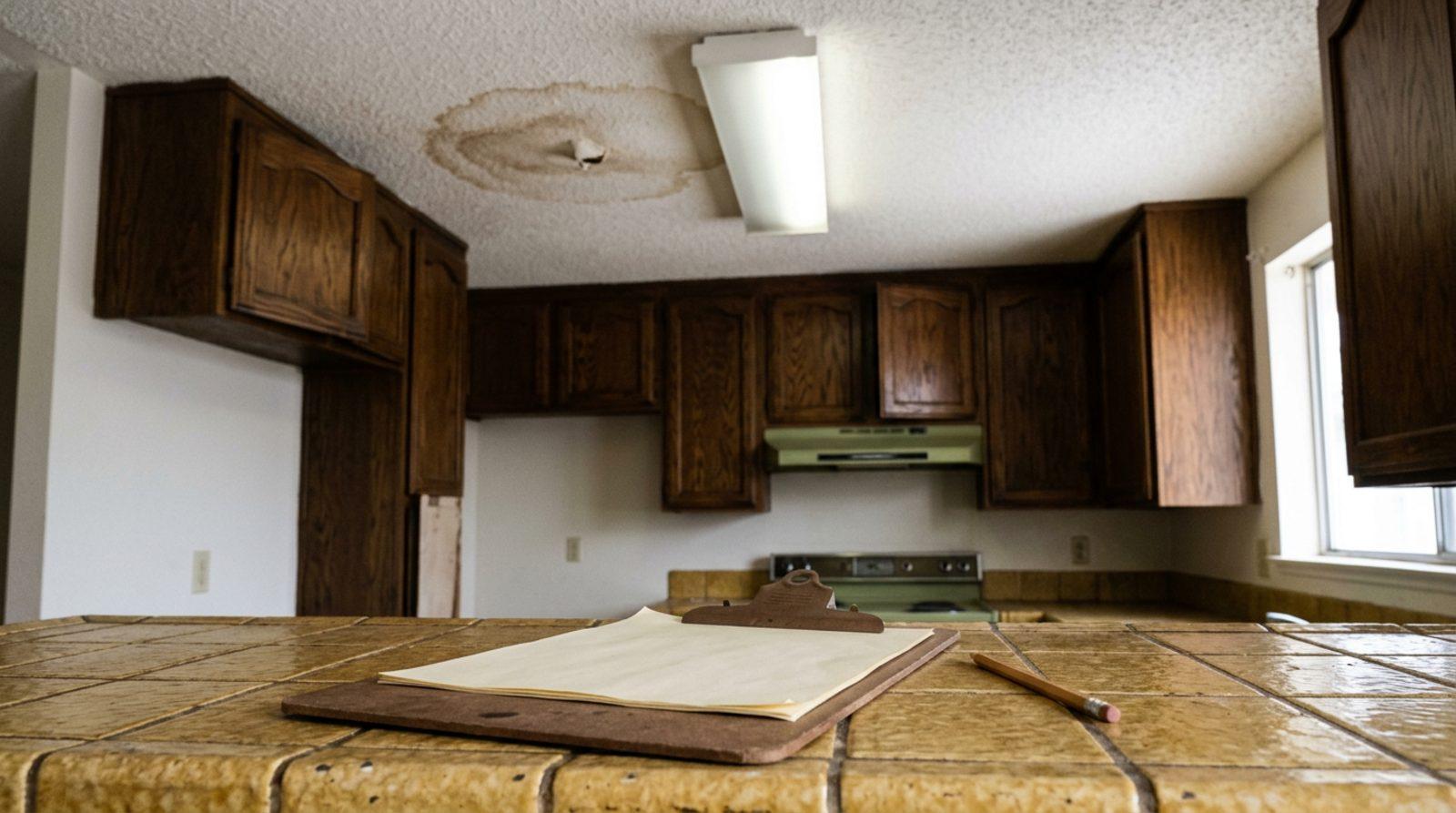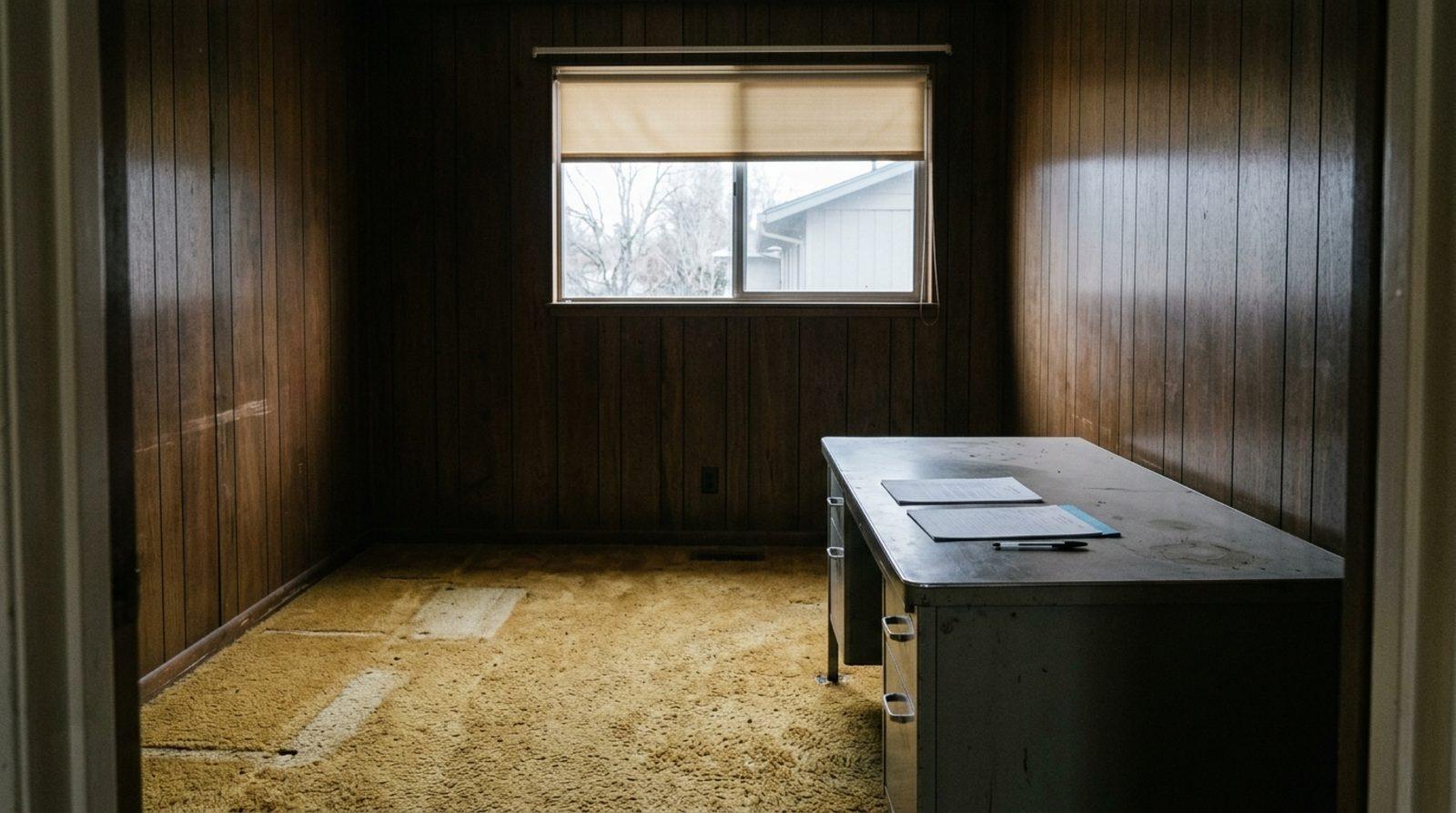
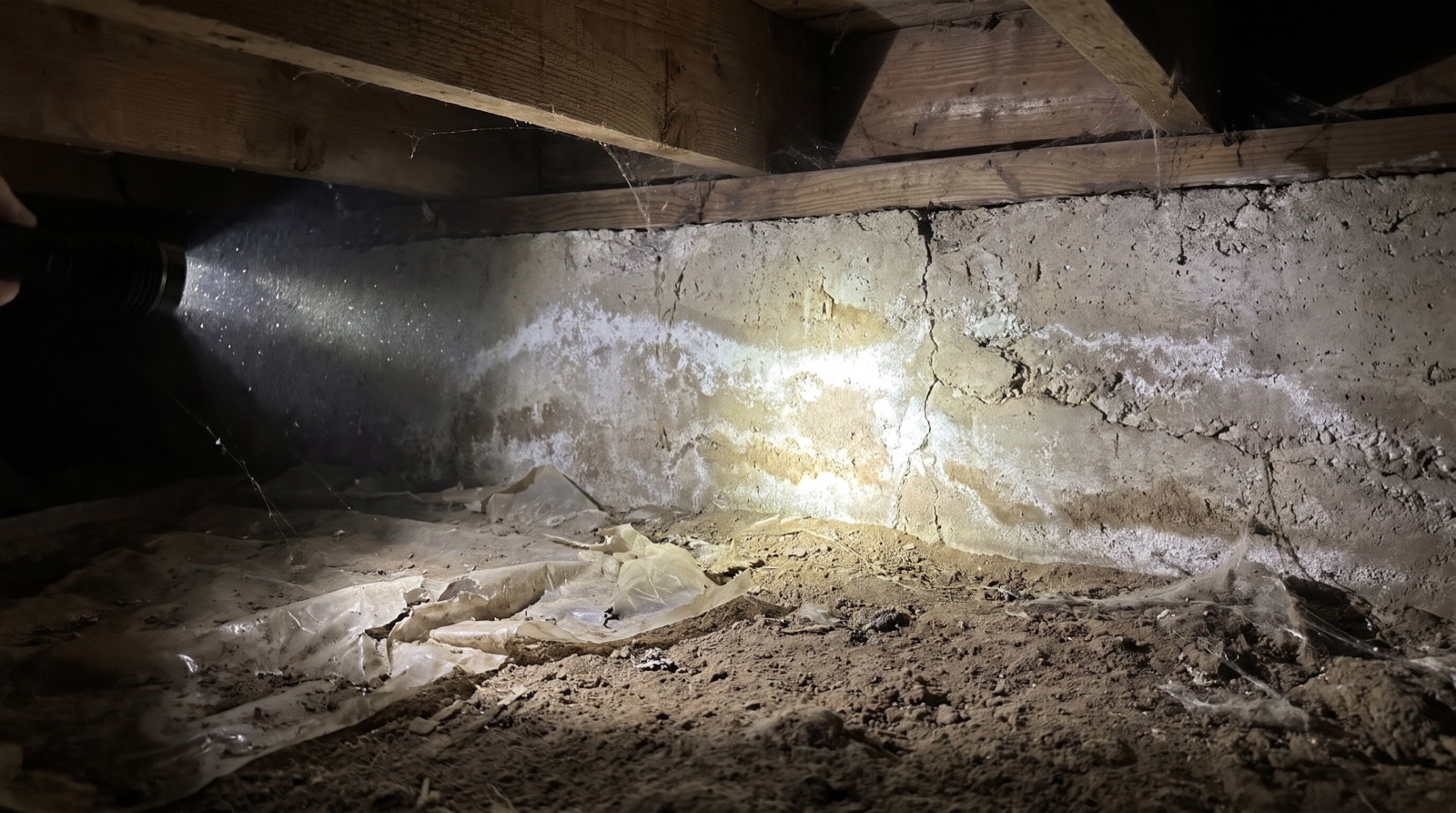
Short answer. When a buyer cancels after a bad inspection, the report stays with the listing. Civil Code 1102.1 keeps the duty to disclose material facts, naming "previously received reports of physical inspections noted on the disclosure form." Your options: repair, offer a credit, reprice, relist as-is with the report up front, or bring the seller a cash offer that prices the defects in.
This is a guide to the statutes, not legal advice. On a specific file, talk to your broker or a California real estate attorney.
What changed when the buyer walked
Before the inspection, your seller may honestly not have known about the cracked footing, the failed sewer lateral or the knob-and-tube in the attic. After the inspection, they do, and so do you.
Civil Code section 1102.1(a) says the Legislature "did not intend to affect the existing obligations of the parties to a real estate contract, or their agents, to disclose any fact materially affecting the value and desirability of the property, including, but not limited to, the physical conditions of the property and previously received reports of physical inspections noted on the disclosure form."
Your own duty is separate. Under Civil Code section 2079(a), the listing broker must "conduct a reasonably competent and diligent visual inspection of the property offered for sale and to disclose to that prospective buyer all facts materially affecting the value or desirability of the property that an investigation would reveal." What you now know from a report is not something you can unknow.
What this means in practice: whatever path you choose next, plan on the next buyer seeing what the last buyer's inspector found, or at least the facts in it. Whether to hand over the report itself, a summary, or your seller's own disclosure update is a question for your broker. What is not an option is pretending the report never happened.
Timing: get the update out early
Civil Code section 1102.3 requires the seller to deliver the Transfer Disclosure Statement "as soon as practicable before transfer of title." If a disclosure, "or any material amendment of any disclosure," is delivered after the buyer's offer is accepted, the buyer gets "three days after delivery in person, five days after delivery by deposit in the mail, or five days after delivery of an electronic record" to terminate.
So update the seller's disclosures before the next offer, not during the next escrow. Otherwise the new buyer gets a fresh exit in the middle of the deal.
Five ways forward
1. Repair, then relist
Best when the defects are few, specific and fixable for a known price: a water heater strap, a roof patch, a GFCI outlet. Get written bids, use licensed trades, keep receipts and permits, and disclose both the defect and the repair. Watch for: repairs that open walls and find more. A foundation, sewer or electrical job can grow once started.
2. Offer a credit or price reduction to the next buyer
Lets the buyer choose their own contractor, and keeps your seller out of construction. Lender limits on seller credits can cap how much of a credit a financed buyer can use, so a price reduction is often cleaner. Watch for: an appraisal that now reflects the condition.
3. Reprice to the condition
If the report shows a big-ticket problem, the market price of the house has changed. Reprice once and clearly rather than in small steps that make the listing look stale.
4. Remarket as-is, with the report up front
Put the disclosures and the report summary in the listing packet so serious buyers price the defects in before they offer. An as-is listing still requires disclosure; it only settles who pays for repairs. Our article on as-is disclosure duties for California agents covers the statutes. Watch for: financed buyers whose lender will not lend on the condition. See when a listing won't finance.
5. Bring the seller a cash offer
A cash buyer who buys in any condition can read the same report and price it in, without a lender's condition requirements. For a seller who is tired, out of state, or carrying two mortgages, a known number and a short escrow can be worth more than a higher list price that may not hold.
Eugene Bay Area Home Buyers buys Bay Area houses in any condition, vacant or occupied, and closes in 10 to 20 days. Send the address and, with your seller's permission, the report or a summary of what it found. We will tell you whether it is a fit. Your seller decides; you present our offer like any other.
Which path fits which report
| What the report found | Usually the best first look |
|---|---|
| A short list of small fixes | Repair and relist |
| One large, quotable item (roof, water heater, panel) | Credit or price reduction |
| Structural, sewer or major water issues | Reprice, or as-is with the report up front |
| Several large items, or a seller who cannot fund or wait | Cash offer alongside the as-is relist |
Getting repair numbers that hold up
Whichever path your seller picks, real numbers beat estimates from the inspection report, which usually says "further evaluation recommended" rather than what it costs.
- Use specialists for the big items. A structural engineer for foundation cracks, a licensed plumber with a camera for the sewer lateral, a roofer on the roof, an electrician for the panel. Their written findings carry more weight with the next buyer than a general inspector's note.
- Ask for scope and price, not just price. "Replace 40 feet of sewer lateral, trenchless, with permit" is a number a buyer can rely on. "Sewer repair: about X" is not.
- Ask what permits the work needs. Unpermitted repairs create a new disclosure problem.
- Keep every report. Second opinions, bids and invoices all become part of the disclosure package, and they help the next buyer's lender understand what was done.
Comparing the paths on net proceeds
Your seller will compare the paths by price. Help them compare by what they keep. For each path, write down:
- The likely sale price.
- Minus repairs or credits.
- Minus the carrying cost of each extra month on the market: mortgage, property tax, insurance, utilities and upkeep.
- Minus selling costs on that path.
- And the risk that the next escrow also fails.
A higher list price that takes three more months and another failed escrow can net less than a lower, certain number. Eugene's agent net sheet lays the comparison out line by line. For more on how cash buyers price a house, see how much cash home buyers pay, and for the seller's view of the same choice, cash offer vs listing with an agent. If foundation or water damage is the main finding, our seller-side guides on selling with foundation issues and selling with water damage go into those repairs.
Preparing the listing for round two
The second time on the market, the listing packet has to do the work the first inspection did. Before the relaunch, put together:
- The updated seller disclosures, with the inspection findings noted.
- The report itself, or a summary, whichever your broker approves, so the next buyer's inspector starts from the same facts.
- Specialist findings and bids for the big items, each with scope and price.
- Permits and invoices for anything already repaired.
- A short cover note in plain language: what was found, what was done, and what was not.
Then tell the market. A line in the agent remarks that reports and bids are available on request does two things: it filters out buyers who would walk again over the same findings, and it draws buyers who already expect to price in work. A buyer who has read the report before writing an offer is less likely to be surprised by it during escrow.
Talking to your seller after the cancellation
- Lead with what the report means for the next buyer, not with blame for the last one.
- Get two or three repair bids before deciding; numbers end arguments.
- Lay out net proceeds for each path, including carrying costs for the extra months on market.
- Put the decision and the disclosure update in writing.
Questions agents ask
Do I have to disclose a previous buyer's inspection report in California?
Civil Code 1102.1 preserves the duty to disclose material facts, and names previously received inspection reports among them. How you disclose on a specific file is a question for your broker.
Can my seller just fix it and not mention it?
Disclose the defect and the repair. A repair does not erase what was known.
What if the seller disagrees with the inspector?
They can get a second opinion from a licensed specialist. Both reports are then facts the next buyer may need.
How soon do the updated disclosures need to go out?
Before the next offer is accepted, so the termination window in Civil Code 1102.3 does not open mid-escrow.
Is a cash buyer's price always lower?
A cash buyer prices in repairs and risk. Compare net proceeds after repairs, credits, carrying costs and time.
Will Eugene Bay Area Home Buyers buy a house with a failed sewer lateral or foundation problems?
We buy houses in any condition. Tell us what the report found on the call.
General information, not legal advice. Statutes quoted from leginfo.legislature.ca.gov as fetched Nov 9 2026.