Short answer. When a California house is held in a living trust and the settlor dies, the successor trustee can often sell it without court approval, if the trust instrument does not limit that power and title is in order: Probate Code section 16226 gives a trustee "the power to acquire or dispose of property." Title will want a certification of trust, beneficiaries and heirs generally get a notice within 60 days (the clock can start later in some cases), and the TDS form is often exempt. Disclosure duties are not.
This is a guide to the statutes, not legal advice. On a specific listing, the trustee should work with a California trust attorney, and you with your broker.
Why trust listings land on your desk
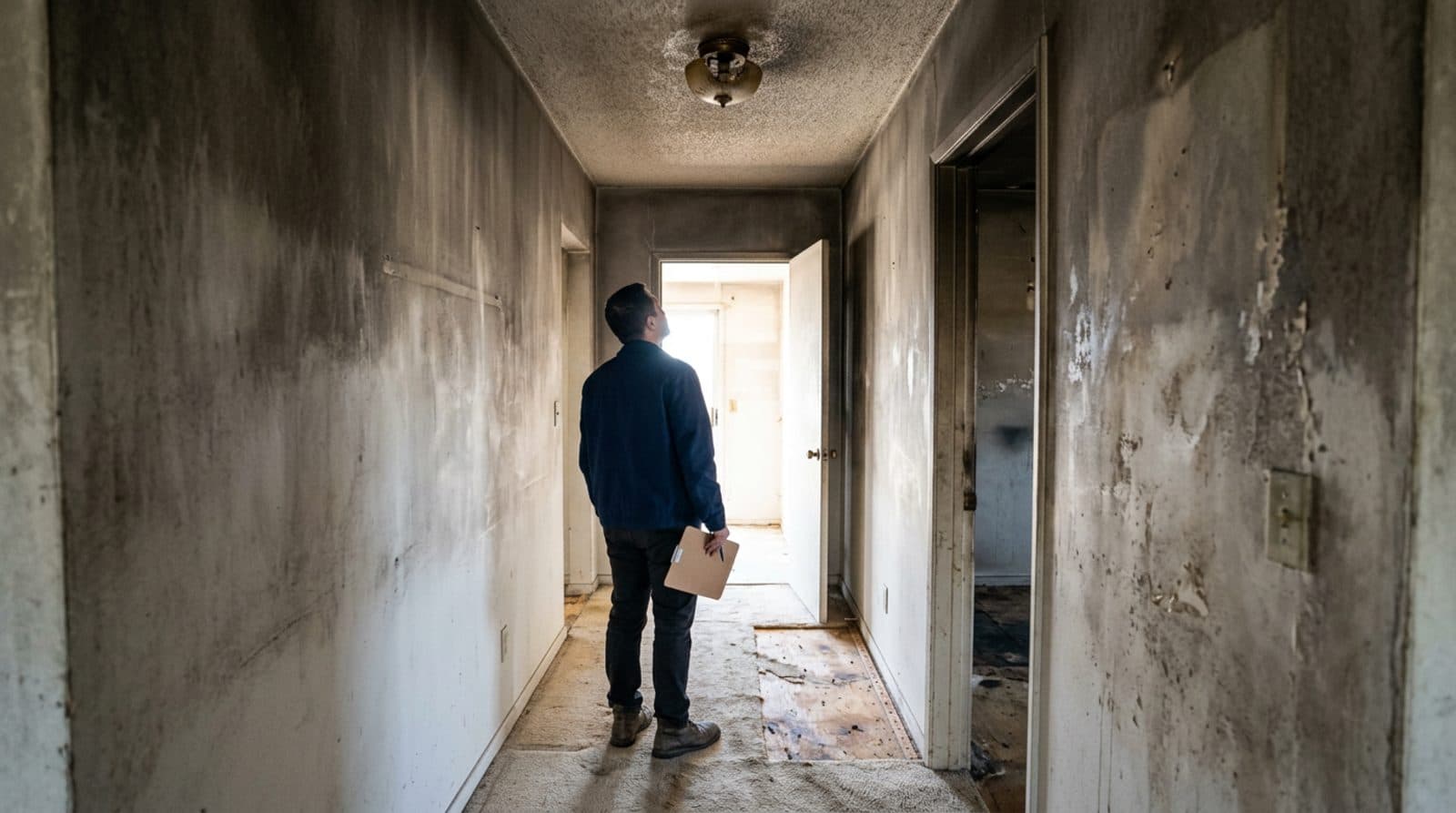
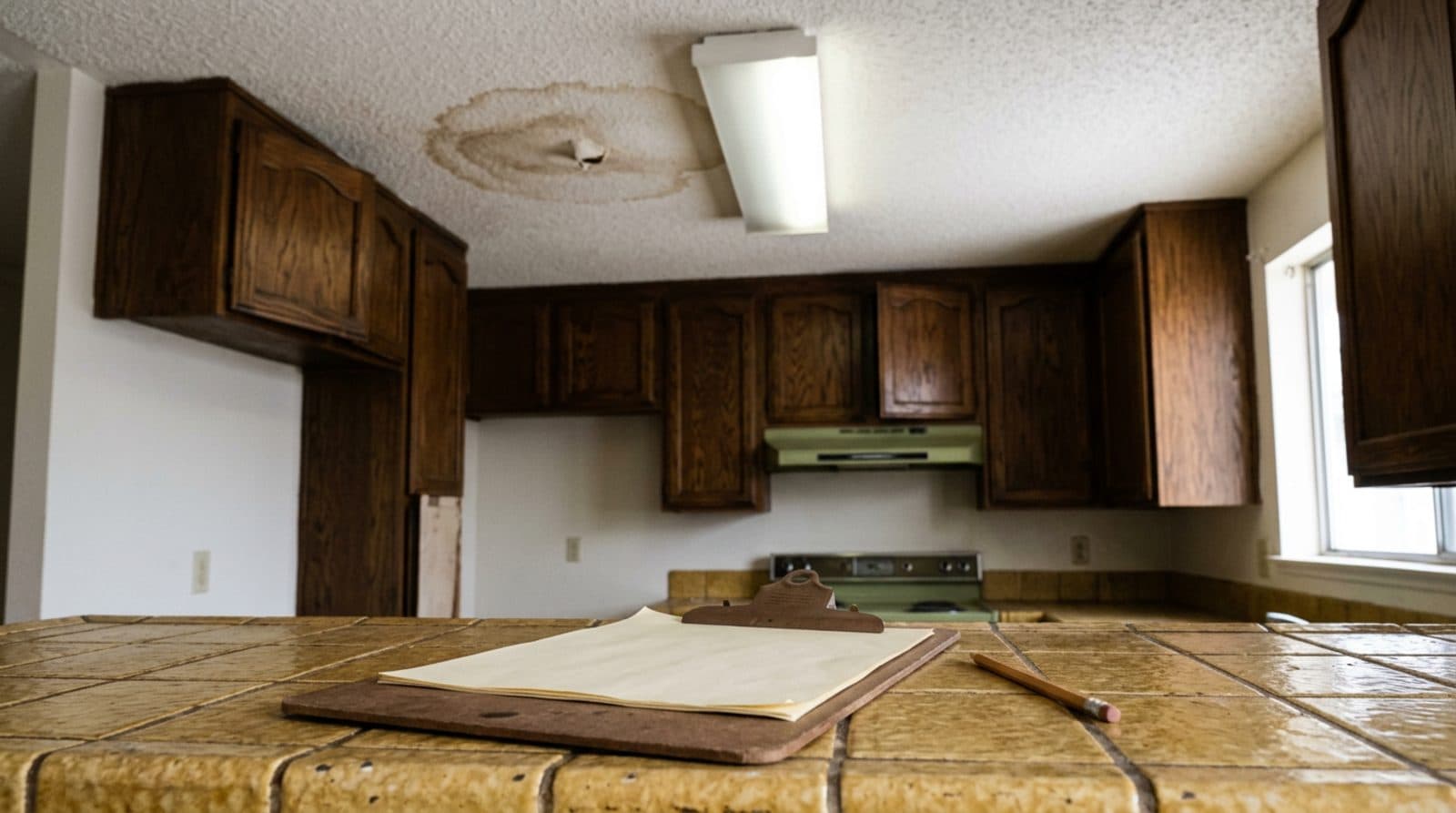
Most Bay Area families who planned ahead hold the house in a revocable living trust. When the last settlor dies, the trust becomes irrevocable and the successor trustee, often an adult child who lives elsewhere, inherits the job of emptying and selling a house they did not choose. Many of these houses have not been updated in decades. The trustee wants it sold cleanly and the beneficiaries want it sold well. You are the one who has to make both happen.
The trustee's power to sell
Probate Code section 16226 reads in full: "The trustee has the power to acquire or dispose of property, for cash or on credit, at public or private sale, or by exchange."
That statutory power is subject to the trust instrument itself. Read the sale provisions in the trust (or have the trustee's attorney confirm them) before the listing agreement is signed. Questions to settle early:
- Who is the acting trustee? If there are co-trustees, does the trust require all of them to sign?
- Was the house actually deeded into the trust? If the deed is still in the decedent's own name, the trust may not control it, and a different path (possibly probate) applies.
- Does the trust restrict a sale, for example a right for one beneficiary to buy the house first?
The certification of trust
Escrow and title will not usually ask for the whole trust. Probate Code section 18100.5(a) lets the trustee "present a certification of trust to any person in lieu of providing a copy of the trust instrument." Under subdivision (b), it may confirm, among other things:
- "The existence of the trust and date of execution of the trust instrument."
- "The identity of the settlor or settlors and the currently acting trustee or trustees of the trust."
- "The powers of the trustee."
- When there are multiple trustees, "whether all, or less than all, of the currently acting trustees are required to sign."
- "The legal description of any interest in real property held in the trust."
Subdivision (c) requires it to be "in the form of an acknowledged declaration signed by all currently acting trustees of the trust." A party may ask for excerpts that show the trustee's succession and power to act (subdivision (e)), but the statute does not require the dispositive provisions, the part that says who gets what.
For the listing agent: ask for the certification at the listing appointment, not after you are in contract. A missing signature from a co-trustee in another state is the most common avoidable delay.
The 60-day notification to beneficiaries and heirs
Probate Code section 16061.7 requires a trustee to serve a "notification by the trustee" when a revocable trust "becomes irrevocable because of the death of one or more of the settlors." It goes to each beneficiary and, when the trigger is a settlor's death, each heir of the deceased settlor (subdivision (b)). Under subdivision (f) it "shall be served not later than 60 days" after the event. The same subdivision starts the clock later in two situations: for a person the trustee did not know about, it runs "60 days after the trustee became aware of the existence of" that person; and if the trustee's office is vacant, it "commences on the date the new trustee commences to serve as trustee."
The notice must include a warning that a recipient "may not bring an action to contest the trust more than 120 days from the date this notification by the trustee is served upon you or 60 days from the date on which a copy of the terms of the trust is delivered to you during that 120-day period, whichever is later" (subdivision (h)).
Why this matters to your timeline: the statute does not say the house cannot be sold during the 120 days. But a trustee who sells while a sibling is still inside the contest window carries more risk, and some trustees and their attorneys choose to wait. Ask the trustee when the notification was served. It tells you how much pressure the timeline is under.
Disclosure: exempt from the TDS form, not from honesty
Civil Code section 1102.2 lists transfers the Transfer Disclosure Statement article "does not apply to." Subdivision (d) includes "Sales or transfers by a fiduciary in the course of the administration of a trust, guardianship, conservatorship, or decedent's estate."
There is an important exception in the same subdivision: the exemption "shall not apply to a sale if the trustee is a natural person who is a trustee of a revocable trust and is a former owner of the property or was an occupant in possession of the property within the preceding year." A child who lived in the house with a parent during the last year may not get the exemption.
Even when the form is exempt, the duties around it remain. Civil Code section 1102.1 says the Legislature "did not intend to affect the existing obligations of the parties to a real estate contract, or their agents, to disclose any fact materially affecting the value and desirability of the property." And your own duty under Civil Code section 2079 to "conduct a reasonably competent and diligent visual inspection" and disclose what it would reveal applies on a residential one-to-four unit sale whether or not the TDS does.
Where a cash buyer fits a trust listing
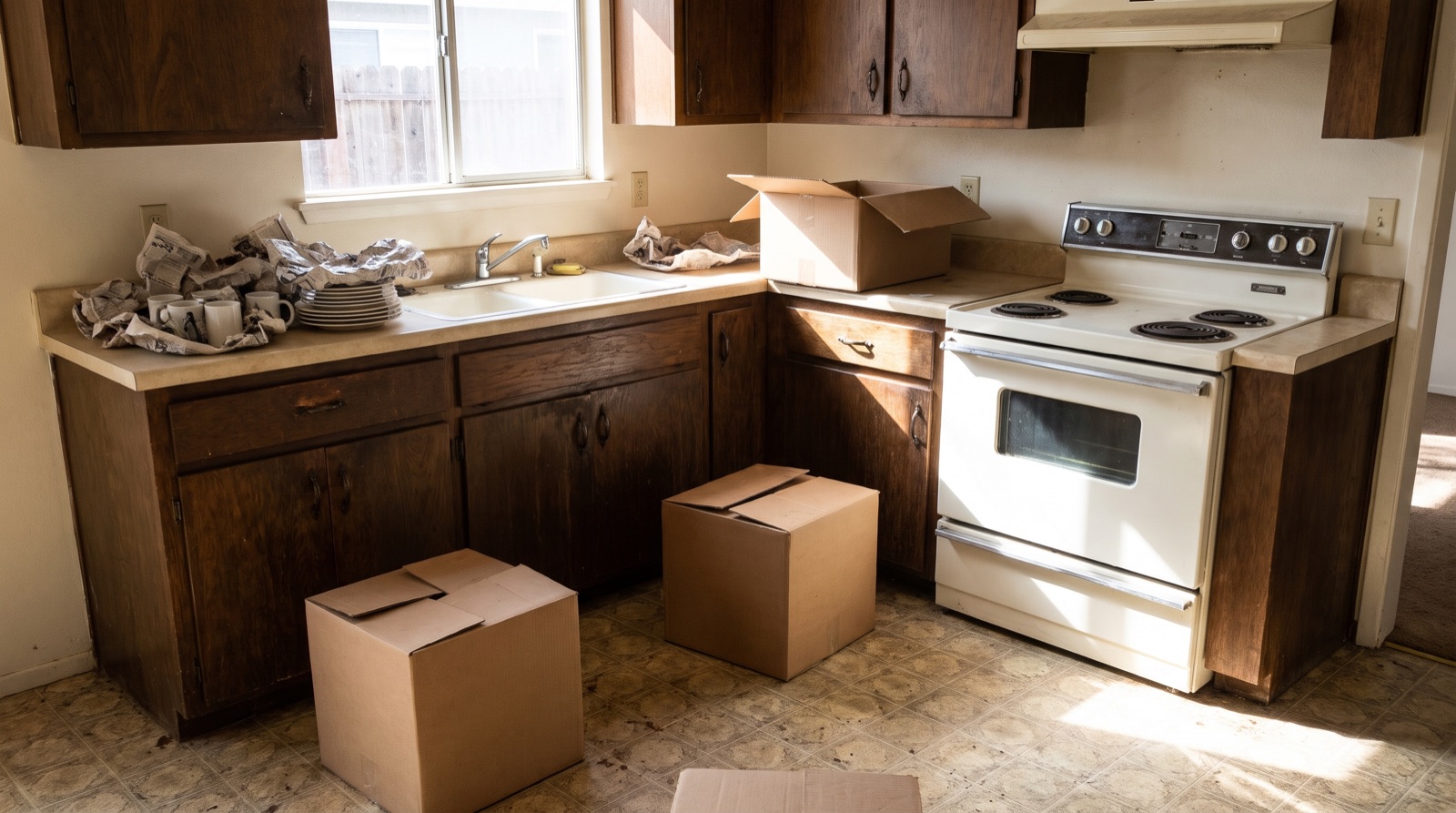
A trust house often has three problems at once: it is dated, it is full of a lifetime of belongings, and the trustee lives far away. Lenders and retail buyers want repairs, cleaned-out rooms and a long escrow. A cash buyer is one option for the listing, not a replacement for it.
Eugene Bay Area Home Buyers buys Bay Area houses in any condition, vacant or occupied, and closes in 10 to 20 days. On a trust listing, the useful facts on the first call are the condition, who (if anyone) is living there, whether the certification of trust is ready, and when the 16061.7 notification went out. Your seller decides; you present our offer like any other.
A checklist for the listing appointment
- Recorded deed showing the house in the trust's name
- Certification of trust signed by all acting trustees (Prob. Code 18100.5)
- Date the 16061.7 notification was served, and whether any beneficiary has objected
- Whether the TDS exemption in Civ. Code 1102.2(d) applies, or the trustee lived there in the last year
- Any trust provision that limits a sale or gives someone a first right to buy
- Who will clear the belongings, and by when
Snags that show up on trust listings
A mortgage or reverse mortgage on the house. The trust owns the house subject to whatever loans were on it. A payoff demand from the servicer belongs in the file early, and a reverse mortgage has its own timeline after the borrower dies. Our article on selling a house with a reverse mortgage in California covers that path.
Beneficiaries who disagree. The trustee has the power to sell, but a beneficiary who objects can make the process slower and more expensive. If co-owners outside a trust cannot agree, a court can order a sale; see partition actions in California and selling an inherited house with multiple owners.
A house that sits empty. Vacant houses need insurance that covers vacancy, regular checks, and utilities kept on for showings and inspections. See selling a vacant house in California.
Taxes after the sale. The trustee and the beneficiaries should talk to a tax professional before closing. Our overview of capital gains on an inherited house in California explains the questions to ask.
The house was never in the trust. If the deed is still in the decedent's name, the trust may not control it. The seller-side guide to selling a house after death without probate and the guide to selling a house in probate explain the other paths.
Questions agents ask
Does a successor trustee need court approval to sell a trust house in California?
Usually not. Probate Code section 16226 gives the trustee the power to sell. Court involvement comes in when the house was never deeded to the trust, when the trust requires it, or when there is a dispute.
Does title need the whole trust document?
Generally no. Probate Code section 18100.5 allows a certification of trust instead, and a party may ask for excerpts that show the trustee's authority, not the dispositive terms.
Is a trust sale exempt from the TDS?
Often, under Civil Code section 1102.2(d), unless the trustee is a natural person trustee of a revocable trust who is a former owner or lived in the house within the preceding year.
Can the trustee sell during the 120-day contest period?
The statute does not prohibit it, but the risk is the trustee's to weigh with their attorney.
What if the house was never transferred into the trust?
Then the trust may not control it. The trustee needs an attorney's view before you list.
Will a cash buyer take the house with the belongings still inside?
Eugene Bay Area Home Buyers buys houses in any condition. Tell us what is still in the house on the call.
General information, not legal advice. Statutes quoted from leginfo.legislature.ca.gov as fetched Nov 9 2026.