Short answer. In California you must disclose known unpermitted work, including garage conversions, additions and ADUs, and an "as-is" sale does not remove that duty. Unpermitted space can stall a financed buyer at appraisal. There are three ways forward: legalize the work before selling, sell as-is with clear disclosure to a buyer who can accept it, or sell to a cash buyer.
Unpermitted space in Bay Area houses
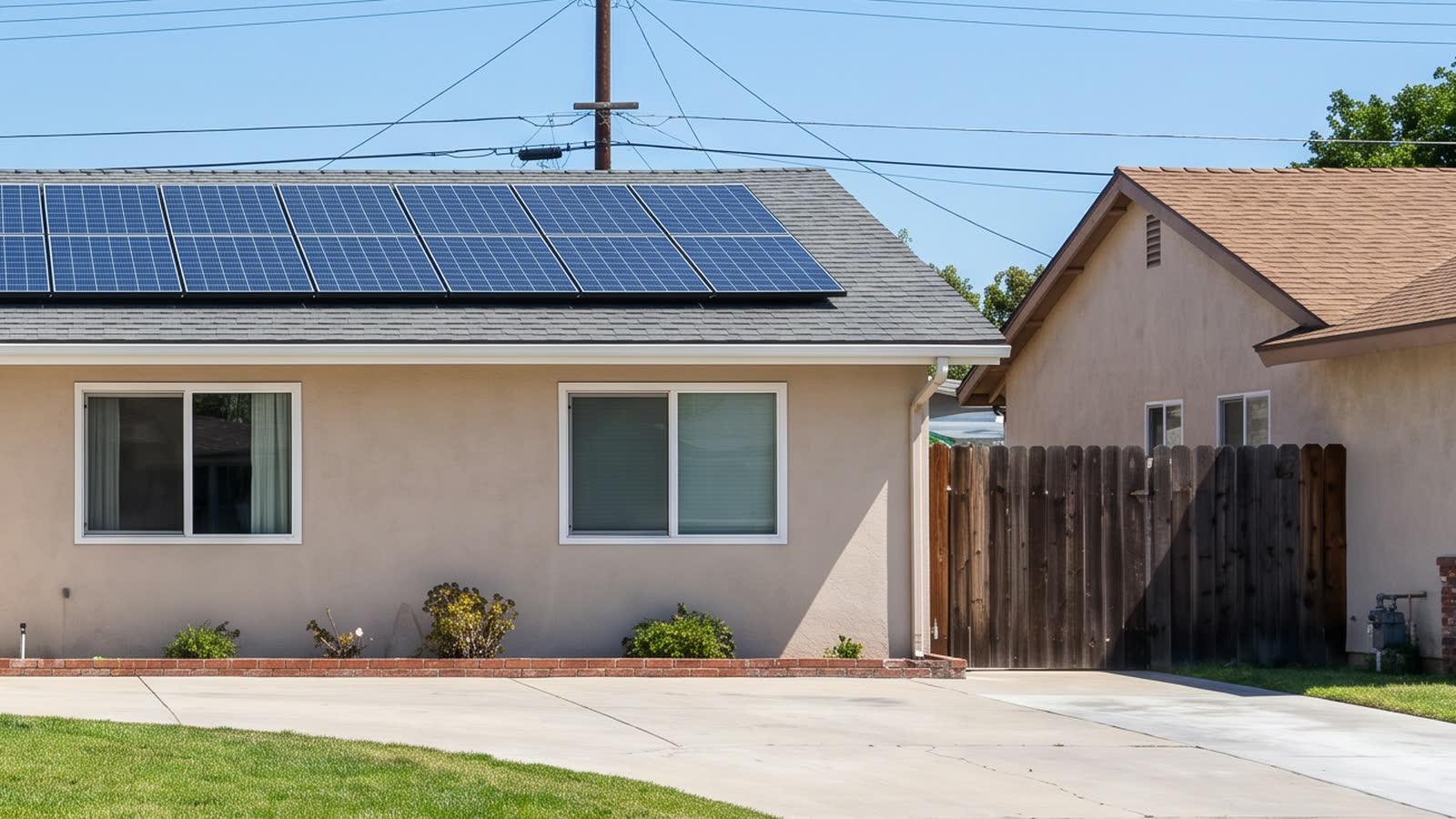
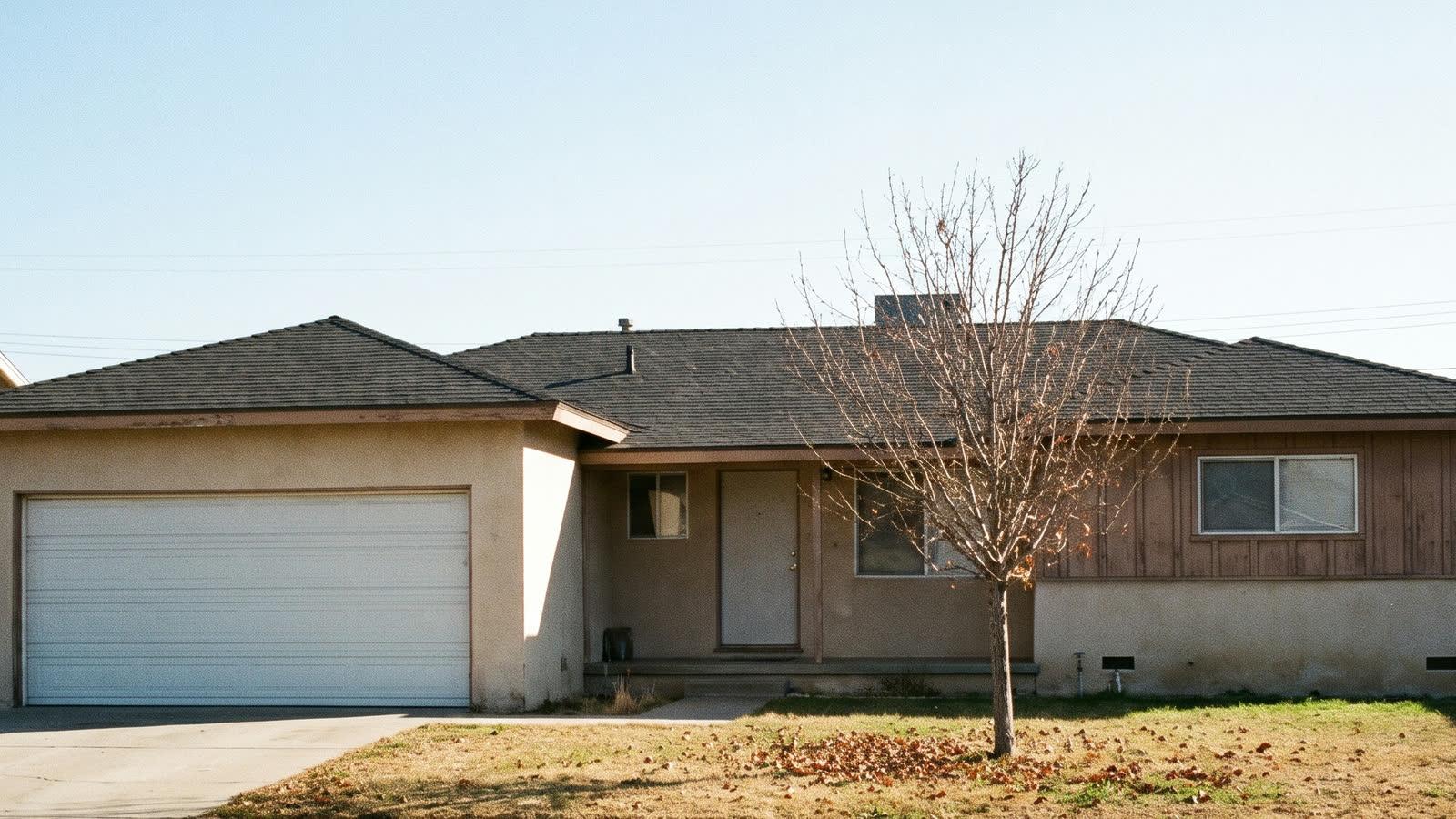
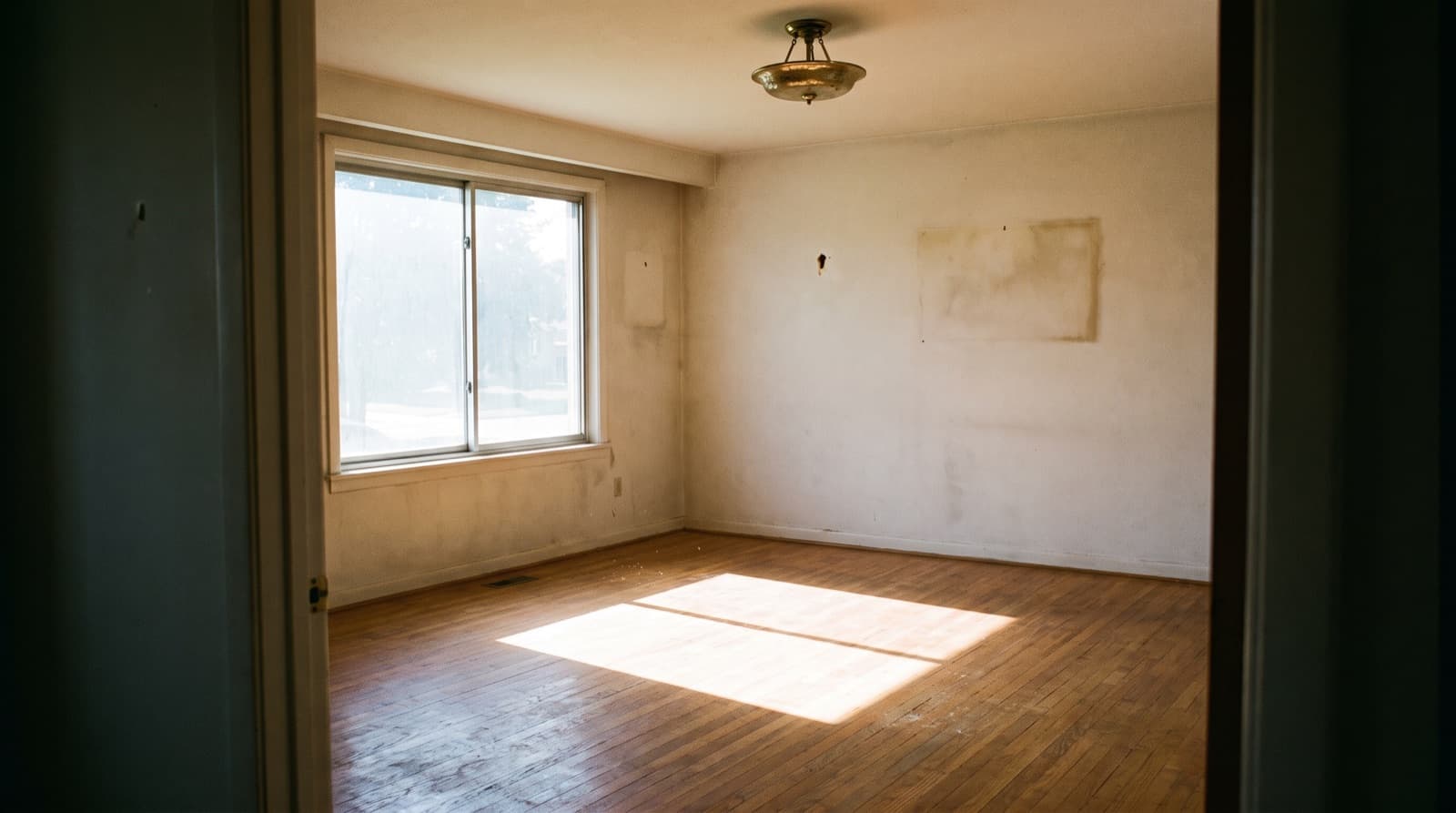
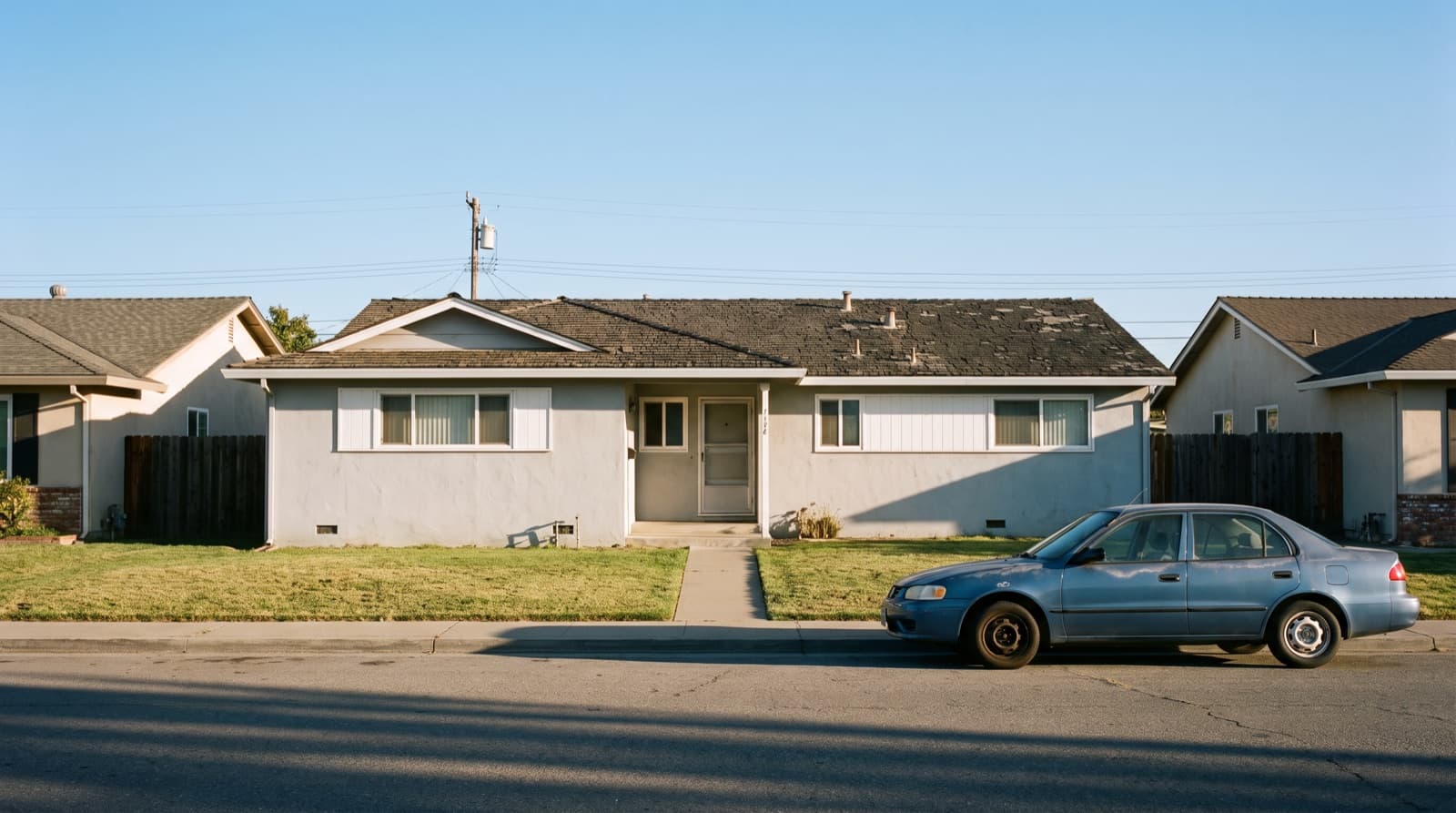
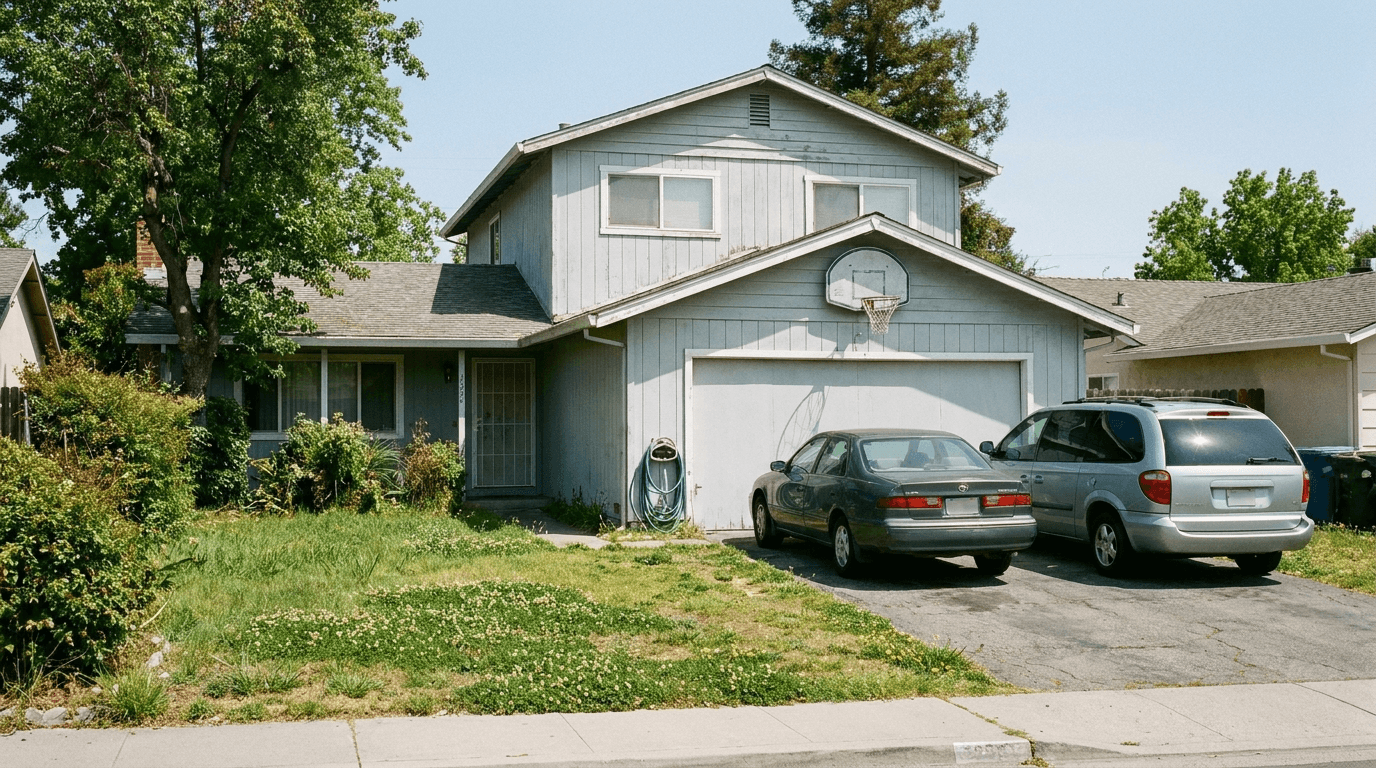
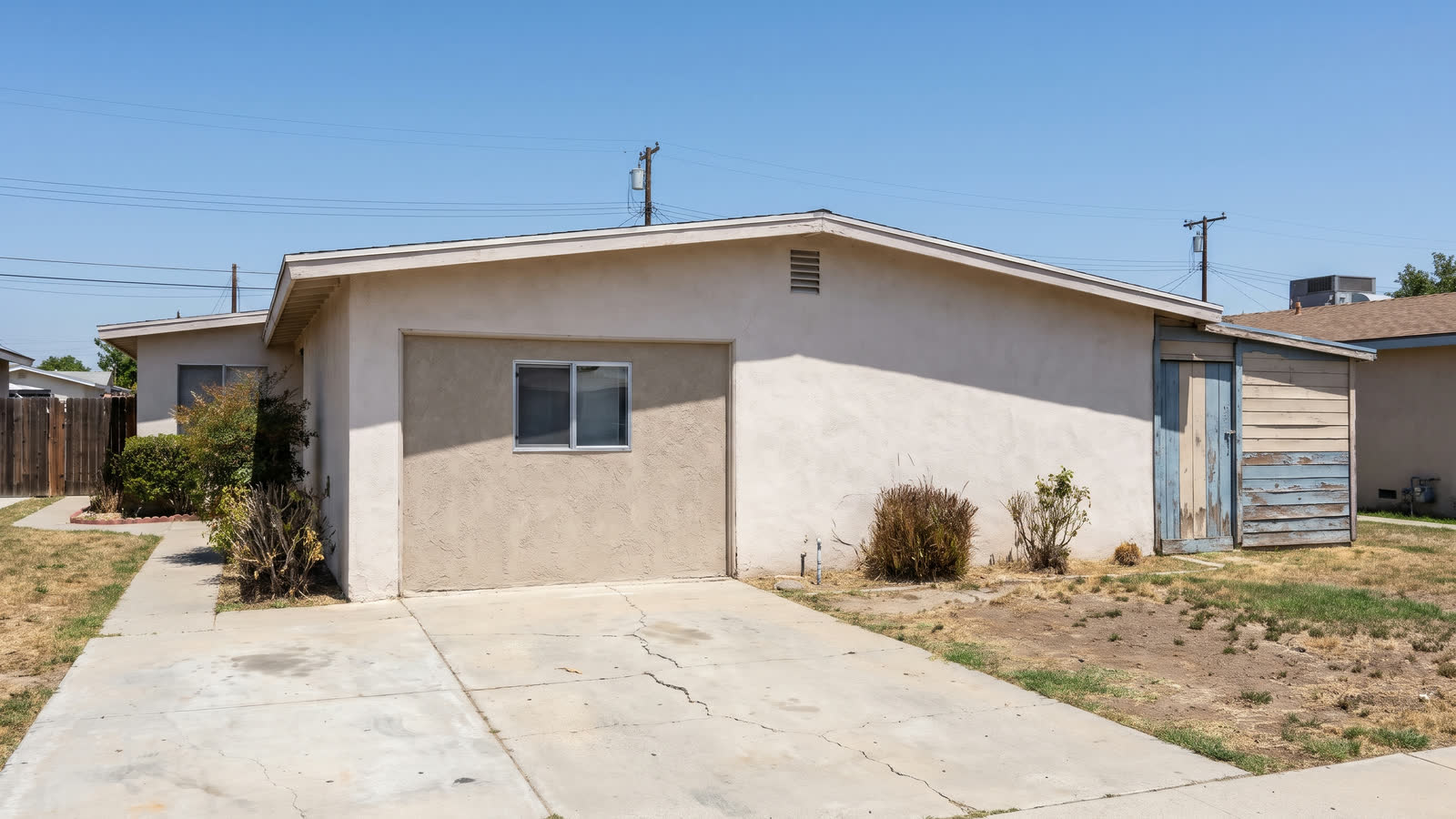
Across the Bay Area, some houses have space that was added without a permit: a garage turned into a bedroom or a rental, a back porch enclosed into a family room, a basement finished into a unit, or a backyard structure used as a cottage. Some of it was done decades ago by an earlier owner. Some of it is well built. Some of it is not.
The problem shows up when the house is sold. The buyer's inspector notices it, the appraiser may not count it, the lender may not lend on it, and the buyer starts asking questions the seller cannot answer.
What the law says about disclosure
California's seller disclosure rules apply to most sales of one-to-four-unit homes. The Civil Code says plainly that "any waiver of the requirements of this article is void as against public policy" (Civil Code 1102(c)).
The Legislature also said it did not intend to affect the existing obligations "to disclose any fact materially affecting the value and desirability of the property, including, but not limited to, the physical conditions of the property," and that "the delivery of a real estate transfer disclosure statement may not be waived in an 'as is' sale" (Civil Code 1102.1(a)).
Listing agents have their own duty. A licensed broker or salesperson must "conduct a reasonably competent and diligent visual inspection of the property offered for sale and ... disclose to that prospective buyer all facts materially affecting the value or desirability of the property that an investigation would reveal" (Civil Code 2079(a)).
In plain terms: if you know the garage was converted without a permit, say so. If you are the listing agent and a filled-in garage door is visible, your visual inspection duty covers it: disclose what the inspection reveals. For a fuller guide to as-is disclosures, read as-is disclosure in California for agents.
How to find out what was permitted
Before you decide anything, find out what the city has on file.
- Request the permit history for the address from the city or county building department. Many Bay Area cities let you search online; others need a records request.
- Compare the records with the house. Count bedrooms and bathrooms, measure the living area, and check against the county assessor's record of square footage.
- Look for the obvious signs: a filled-in garage door, a step down into a room, a bathroom with its own water heater, a separate entrance, mismatched siding or roofline, an electrical sub-panel with handwritten labels.
- Write down what you know and do not know. "Converted before we bought the house in 1998; we do not know whether it was permitted" is an example of the kind of plain wording to review with your broker or attorney. Whether any wording is enough depends on it accurately stating every known material fact.
Why unpermitted space stalls financed buyers
Many buyers use a loan. Lenders and appraisers are cautious about unpermitted space:
- Appraisal. An appraiser has to comment on work done without the required permits and on its effect on value, and the value given to that space can be lower than the seller expects.
- Health and safety. Some loan programs require that a property meet basic safety standards. Unpermitted wiring, missing egress windows or a converted garage with no proper fire separation can stop the loan.
- Rental income. Rent from a unit on the buyer's own home often cannot be counted when the lender decides how much the buyer can borrow, and an unpermitted unit adds more questions. The buyer's lender decides.
That gap between the price the seller expects and the value the lender will support is where these sales can fall apart. See when a listing will not finance.
Three ways to sell a house with unpermitted work
1. Legalize it first
Apply for permits for the existing work, often called "as-built" permits. The city will usually inspect, and it may require walls opened, wiring or plumbing upgraded, ceiling height or egress windows corrected, or fire separation added.
Good fit when: the work is solid, the city's requirements are reasonable, you have time and money, and the legal space adds real value.
Watch out for: costs that grow once walls are opened, months of plan review and inspections, and the chance that the city requires the space be returned to its original use.
California law now makes it harder for a city to refuse a permit for an existing ADU. If the unit was built before January 1, 2020, a city generally cannot deny a permit just because the unit breaks building standards or local ADU rules, unless fixing a problem is needed to meet basic health and safety standards or the building is substandard (Government Code 66311.7). The city may still inspect and require those health and safety fixes. This applies to ADUs and junior ADUs, not to every addition or converted room, so ask the city's building or planning department how it applies to your property.
2. Sell as-is, with clear disclosure
List the house as it is, disclose the unpermitted work in writing, price it for the space as it legally exists, and look for a buyer who can accept the risk: a buyer paying cash, a buyer using a renovation loan, or a contractor.
Good fit when: the rest of the house is in good shape and the market for it is strong.
Watch out for: price reductions after appraisal, buyers cancelling after inspection, and a longer time on market. See selling a house as-is in California.
3. Sell to a cash buyer
A cash buyer does not need a lender to accept the unpermitted space. Eugene Bay Area Home Buyers buys houses in any condition, vacant or occupied, and closes in 10 to 20 days. Our offer is based on the house as it is, including the unpermitted parts, using current market data and honest repair estimates.
Good fit when: legalizing would cost more than it adds, the space has safety problems, a tenant lives in the unpermitted unit, or the seller needs a certain closing date.
Watch out for: a lower headline number than a fully legal, repaired house would bring. Compare the net. See how much cash home buyers pay.
For listing agents: a short checklist
- Pull the permit history before you set the price.
- Do not market unpermitted rooms as legal bedrooms or square footage.
- Put the permit status in writing in the disclosures and the MLS remarks your broker approves.
- Warn your seller early that a financed buyer's appraisal may not count the space.
- Have a second path ready. If the first buyer's loan stalls, a cash offer can keep the listing, and the seller, from starting over. See Eugene's page for agents.
What about a tenant in the unpermitted unit?
A tenant in the unit raises extra questions: rent control, relocation payments in some cities, and whether the unit can legally be rented at all. Do not give notice before you get local legal advice. Our guide to selling a rental with tenants covers the general steps, and code violations covers what happens when the city is already involved.
What a buyer's inspector will write
Expect the buyer's inspection report to call out any space that looks added or converted, with a recommendation to check permits with the local building department. Inspectors also note specific safety items: bedroom windows too small to escape through, missing smoke or carbon monoxide alarms, a water heater or furnace in a converted garage without proper separation, and extension cords or exposed wiring. Each of those lines can become a request for repair or a credit. Reading your own house the way an inspector will, before you list, lets you decide which items to fix and which to disclose and price in.
Questions sellers and agents ask
Do I have to disclose an unpermitted garage conversion in California?
If you know about it, yes. Disclose what you know and what you do not know. An as-is sale does not remove the duty to deliver the disclosure statement.
Can I sell a house with an unpermitted ADU?
Yes. You can legalize it first, sell as-is with clear disclosure, or sell to a cash buyer.
Will the buyer's lender count the unpermitted space?
Not always. The appraiser has to comment on work done without the required permits and its effect on value, and the buyer's lender decides from there.
Can the city make me remove the addition?
In some cases the city can require changes or removal if it is reported or found. For an ADU built before 2020, state law limits when a city can refuse to permit it. Ask the building department about your property.
How do I find out if work was permitted?
Request the permit history from the city or county building department and compare it with the assessor's record and the house itself.
Will a cash buyer buy a house with unpermitted work?
Eugene Bay Area Home Buyers buys houses in any condition, including houses with unpermitted additions and conversions.
Should I legalize before selling?
Only if the cost and time are lower than the value it adds. Get the city's requirements and a contractor's estimate before you decide.
General information, not legal advice. Statutes quoted from leginfo.legislature.ca.gov as fetched Nov 20 2026. Ask a California real estate attorney or your broker about your own sale.